For Leased Trucks
Form 2290 for Leased Vehicles
On a leased truck, who files the Heavy Vehicle Use Tax comes down to who registers it. Sort that out, then e-file with Consulics and get the stamped Schedule 1 that keeps the vehicle compliant.
File Form 2290 for a leased truck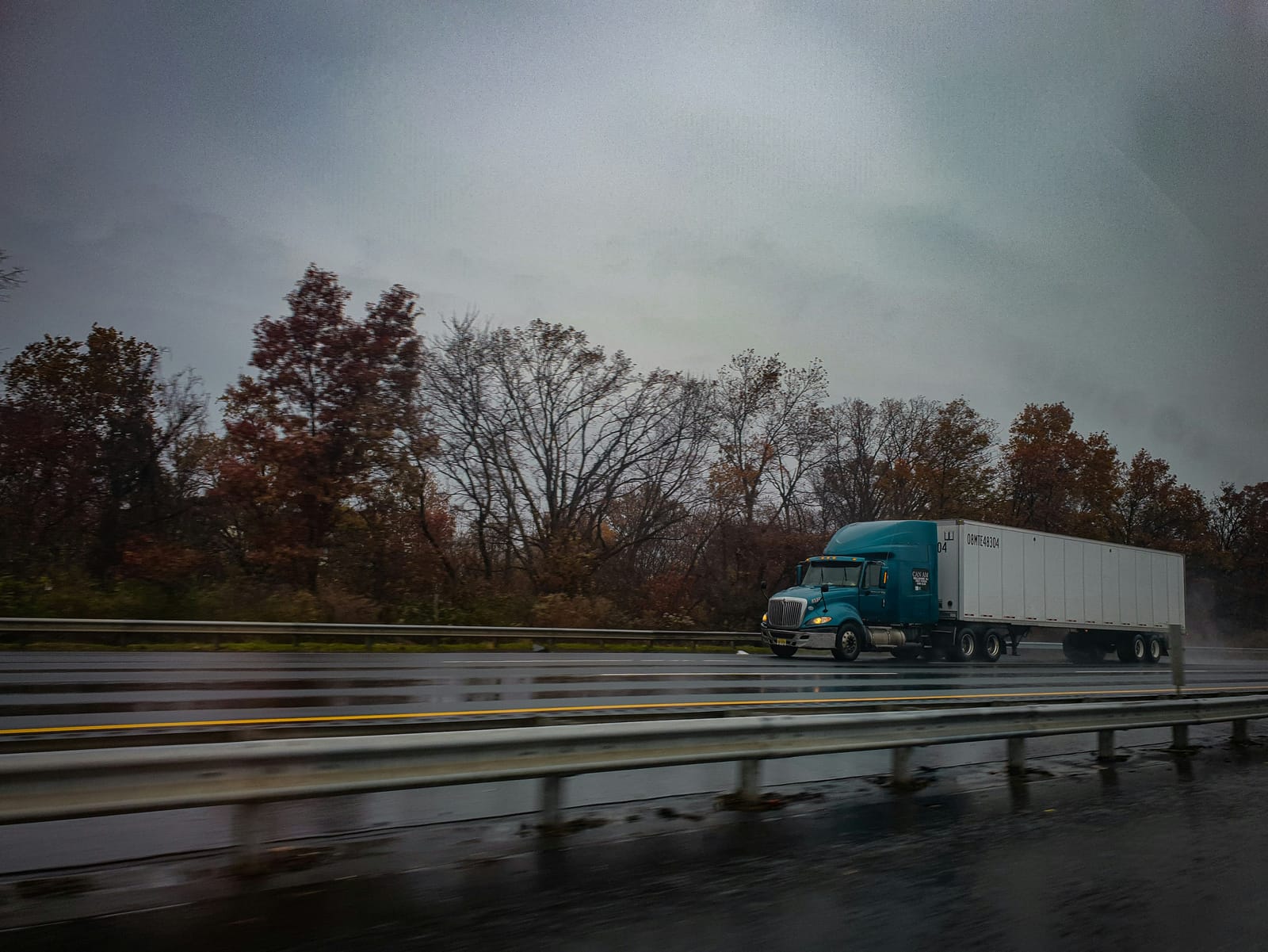
Photo: Joseph Paul on Unsplash · Unsplash License
Who pays the HVUT on a leased truck
Leasing arrangements are where Heavy Vehicle Use Tax responsibility gets confused, because two parties are involved and each may assume the other handles it. The IRS cuts through that by tying the tax to registration: the party in whose name the vehicle is registered is generally the one who must file Form 2290. Knowing this — and confirming it in your lease — keeps the truck compliant and ensures exactly one accepted return and one stamped Schedule 1.
Registration drives liability
The IRS ties the Heavy Vehicle Use Tax to whoever registers the highway vehicle. On a leased truck, that means the party named on the registration is generally the one who must file Form 2290 — not automatically the owner and not automatically the driver.
Lessor or lessee
Depending on how a lease is structured, the truck may be registered by the leasing company or by the operator leasing it. Whoever holds the registration carries the filing duty, so both parties should know which of them it is well before the deadline.
Lease terms vs. IRS rules
A lease can assign who pays the cost of the tax, but the IRS still looks to registration to decide who must file. Align the lease language with the registration so the right party files and the other has proof it happened.
Avoid gaps and duplicates
The two failure modes are nobody filing — leaving the truck unregistrable — or both parties filing and creating a duplicate. A clear agreement on who registers and files prevents both and keeps a single stamped Schedule 1 on record.
Sorting out a leased-vehicle filing
Confirm whose name is on the registration
This is the deciding factor. The registered party is generally responsible for filing Form 2290 and paying the tax.
Match the lease terms to the registration
If the lease assigns the cost to one party, make sure that lines up with who registers and files so there is no gap.
Agree who files in writing
Put it in the agreement so neither side assumes the other did it, and so a duplicate filing is avoided.
File under the correct EIN
The responsible party files under its own Employer Identification Number with a matching business name.
Share the stamped Schedule 1
Whoever files keeps the proof and gives the other a copy, since it is needed for registration and may be requested by the carrier or lessor.
Renting or on a full service lease from a fleet company
Truckers who rent or lease from a national fleet leasing and rental company, such as Penske, Ryder, Idealease, PacLease, Enterprise, Element, or LeasePlan, often ask whether the tax is theirs to handle. The same rule decides it, registration, but the answer usually splits by how long you have the truck. The company names here are examples only and do not imply any affiliation.
Short term rentals. A truck you rent for days, weeks, or a season is almost always registered to the rental company. That means the company is the party responsible for Form 2290, and you do not file a separate return for a truck you simply rent. If your state ever asks for proof at a scale house or counter, the stamped Schedule 1 belongs to the registered owner.
Full service and long term leases. A longer lease can go either way. The leasing company may keep the truck registered in its own name and file the Heavy Vehicle Use Tax, or the truck may be titled and registered to you as the lessee, which puts the filing on you. The paperwork decides it, not the word lease, so read how the vehicle is actually registered.
What to confirm. Ask the leasing company in writing who the registered owner is for Heavy Vehicle Use Tax purposes, and request a copy of the stamped Schedule 1 for any unit registered in their name, since your base state may want to see it at registration. If you run a leased truck under your own authority and base plate, expect to file it yourself even though you do not own it.
Not sure if you are the one who must file? Start with do I need to file 2290 and confirm your EIN is set in EIN for Form 2290.
Leased-vehicle questions, answered
Who files Form 2290 on a leased truck — the owner or the driver?
Responsibility follows registration. The person in whose name the highway vehicle is registered is generally liable for the Heavy Vehicle Use Tax and files Form 2290. In a lease, that may be the lessor or the lessee depending on how the truck is titled and registered, so it is important to confirm before the deadline.
I lease a truck onto a carrier. Do I still file?
It depends on whose name the vehicle is registered under. If it is registered in your name, you are generally the one responsible for filing Form 2290, even while you run under a carrier’s authority. If the carrier registers the vehicle, the obligation may sit with them. Confirm the registration so the tax is not missed or duplicated.
I rent or lease a truck from a national fleet leasing company. Who files?
It comes down to whose name is on the registration. A truck you rent short term is almost always registered to the rental company, so that company carries the Form 2290 duty and you do not file for it. A full service or long term lease can go either way: the leasing company may register the truck and file, or the truck may be registered to you as the lessee, in which case you file. Ask the company in writing who the registered owner is for Heavy Vehicle Use Tax, and request the stamped Schedule 1 for any truck registered in their name.
I lease from Penske, Ryder, Idealease, PacLease, Enterprise, Element, or LeasePlan. Who files Form 2290?
The brand on the door does not decide it, the registration does, and these companies offer several lease types that land differently. On a short term rental the truck is registered to the leasing company, so they hold the Form 2290 duty. On a full service lease the leasing company often keeps the truck in its own name and files the Heavy Vehicle Use Tax for you. On a finance or net lease where the truck is titled and registered to you, the filing is yours. These names are used only as common examples and do not imply any affiliation. Confirm in writing who the registered owner is for HVUT, and ask for the stamped Schedule 1 on any unit in their name.
What happens if both parties think the other filed?
A vehicle with no accepted Form 2290 cannot be registered or kept compliant, and a duplicate filing under two EINs creates its own problems. Clarify in writing who registers and files for the leased vehicle so exactly one party reports it and holds the stamped Schedule 1.
Does the lease agreement decide who pays the tax?
A lease can state who bears the cost, but the IRS looks to who registers the vehicle to determine who must file. Make sure the registration and the lease terms line up so the responsible party files and the other has proof it was done.
How do I prove the tax was paid on a leased vehicle?
The stamped Schedule 1 from the accepted Form 2290 is the proof. Whoever files should keep it and share a copy with the other party, since it is required for registration and may be requested by the carrier or lessor.
File Form 2290 on your leased truck
Once you know who registers the vehicle, Consulics makes the filing quick and returns the stamped Schedule 1 within minutes of IRS acceptance.
e-File Form 2290 NowRelated Form 2290 resources
General information, not tax advice. Verify specifics with the IRS or your tax professional.