For Agricultural Vehicles
Form 2290 for Agricultural Vehicles
Farm trucks get a higher 7,500-mile suspension threshold for the Heavy Vehicle Use Tax. Learn what qualifies, then e-file with Consulics and get your stamped Schedule 1 in minutes.
File Form 2290 for a farm vehicle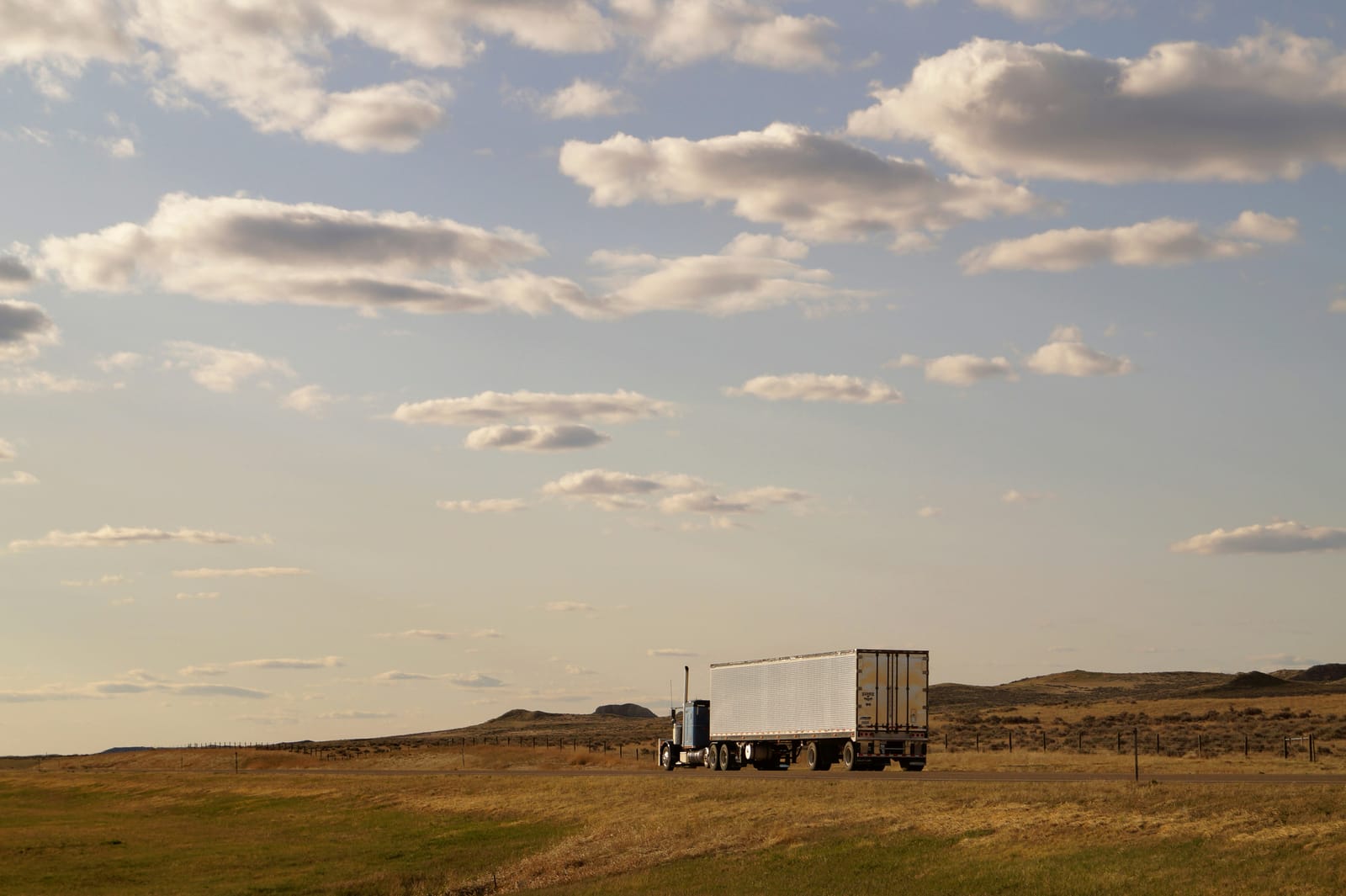
Photo: Joshua Hicks on Unsplash · Unsplash License
How the HVUT treats farm trucks
Agricultural vehicles get a meaningful break on the Heavy Vehicle Use Tax: a higher mileage threshold before tax is owed. Because farm trucks often run modest highway miles, many qualify to be reported as suspended, meaning no tax is due — yet the return must still be filed. Understanding what makes a vehicle agricultural, and where the 7,500-mile line sits, lets you claim the right treatment and keep a clean stamped Schedule 1 on record.
A higher mileage limit
The headline difference is mileage. An agricultural vehicle can run up to 7,500 miles on public highways during the period and still be reported as suspended with no tax due — half again the 5,000-mile limit that applies to ordinary heavy vehicles.
What qualifies
An agricultural vehicle is one used primarily for farming and registered under state law as a farm vehicle. Both parts matter: the primary use must be farming, and the registration must reflect that. Use outside this definition can change the treatment.
Suspended, but still filed
Even when the higher mileage limit means no tax is owed, you still file Form 2290 and report the vehicle as suspended in Category W. The accepted return gives you a stamped Schedule 1 listing the vehicle.
If you cross the line
Exceed 7,500 miles during the period and the Heavy Vehicle Use Tax becomes due. You file an amendment to report the change and pay, keeping the vehicle compliant for registration.
Filing an agricultural vehicle correctly
Confirm the vehicle qualifies
It must be used primarily for farming and registered under state law as a farm vehicle. Both conditions need to be met.
Estimate the highway miles
If you expect 7,500 miles or fewer on public highways for the period, the vehicle can be reported as suspended with no tax due.
Report it in Category W
A suspended agricultural vehicle is filed in Category W on Form 2290 — you still file, even though no tax is owed.
Watch the threshold during the year
Track mileage. If the vehicle is heading past 7,500 miles, plan to amend and pay before it becomes a problem.
Keep the stamped Schedule 1
The accepted return lists the suspended vehicle on your Schedule 1, which serves as your proof for registration.
Mileage close to the limit? Understand how suspension works in Form 2290 for suspended vehicles, and if you cross it, see how to file an amendment.
Agricultural vehicle questions, answered
What is an agricultural vehicle for Form 2290?
For Heavy Vehicle Use Tax purposes, an agricultural vehicle is a highway motor vehicle used primarily for farming and registered under state law as a vehicle used in farming. The primary-use test and the state registration are what set it apart from an ordinary heavy vehicle.
What is the mileage limit for an agricultural vehicle?
An agricultural vehicle can travel up to 7,500 miles on public highways during the period and still be reported as suspended, compared with the 5,000-mile limit for other vehicles. If it stays at or below 7,500 miles, no Heavy Vehicle Use Tax is due, though you still file Form 2290.
Do I still file Form 2290 if my farm truck is under the limit?
Yes. Even when no tax is due because the vehicle is suspended, you still file Form 2290 to report the vehicle in Category W. The accepted return produces a stamped Schedule 1 that lists the suspended vehicle.
What happens if my agricultural vehicle exceeds 7,500 miles?
If the vehicle crosses the 7,500-mile threshold during the period, the Heavy Vehicle Use Tax becomes due. You file an amendment to report the change and pay the tax so the vehicle stays compliant.
Does hauling for hire affect agricultural status?
The classification depends on the vehicle being used primarily for farming and registered for that use under state law. Use that does not fit the agricultural definition can change how the vehicle is treated, so confirm your use and registration before relying on the higher mileage limit.
File your agricultural vehicle 2290
Whether your farm truck is suspended or taxable, Consulics files it correctly and returns your stamped Schedule 1 within minutes of IRS acceptance.
e-File Form 2290 NowRelated Form 2290 resources
General information, not tax advice. Verify specifics with the IRS or your tax professional.