Hazardous Materials Transportation & FMCSA/PHMSA Compliance
Hazardous Materials (HAZMAT) Transportation: Complete Trucking Compliance Guide
Comprehensive operational handbook for motor carriers, commercial drivers, safety directors, and fleet compliance officers · 49 CFR Parts 171–180 Reference
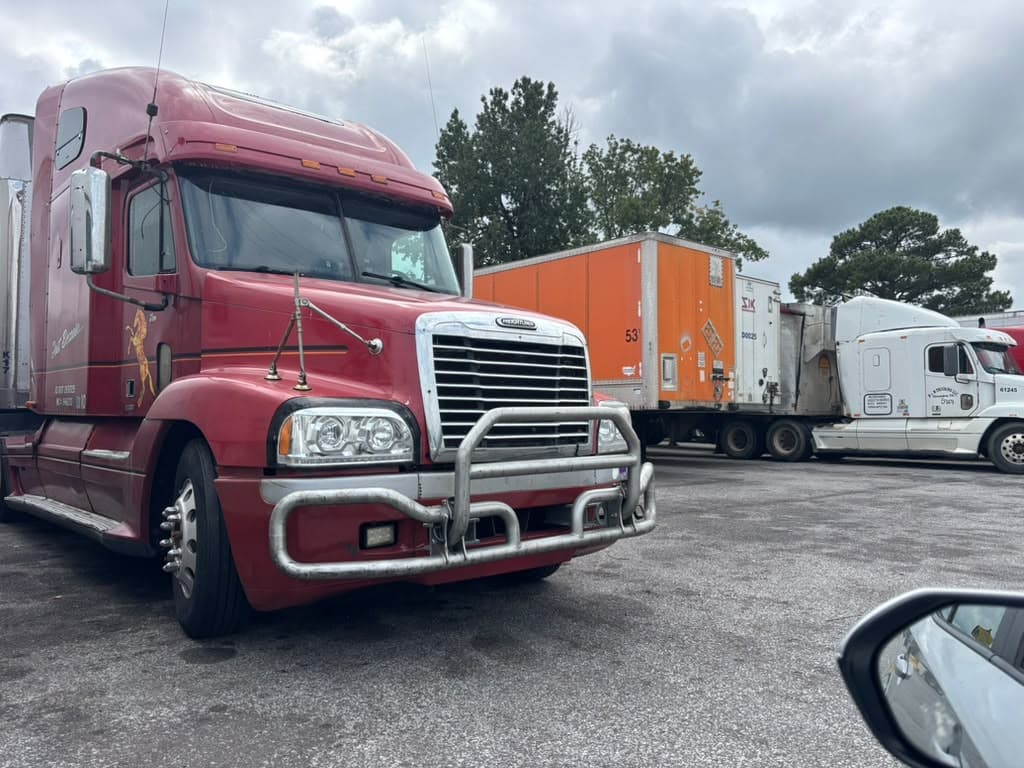
Commercial highway freight transport: Motor carriers transporting hazardous materials must comply with 49 CFR Part 172 placarding, shipping papers, and routing requirements.
Quick Answer: What Is HAZMAT Transportation Compliance?
Hazardous Materials (HAZMAT) transportation compliance is the strict federal regulatory framework established under 49 CFR Parts 171–180 (Hazardous Materials Regulations, or HMR) and enforced jointly by the Pipeline and Hazardous Materials Safety Administration (PHMSA) and the FMCSA. It governs the commercial movement of substances posing risks to public safety, health, or property. Carriers hauling placardable quantities must employ drivers holding a verified H or X CDL endorsement with TSA clearance, provide standardized UN shipping papers, display diamond placards on all four sides of the vehicle, maintain $1,000,000 to $5,000,000 in public liability insurance, complete 3-year employee training, and pay annual IRS Form 2290 Heavy Vehicle Use Tax for transport tractors.
File your Form 2290
Your truck still owes the Heavy Vehicle Use Tax
Any highway truck at a taxable gross weight of 55,000 pounds or more must file Form 2290. Your state will not issue or renew plates without the stamped Schedule 1 that proves it.
1. What Is HAZMAT? Federal Regulatory Scope
Under 49 CFR § 171.8, a hazardous material is defined as any substance or material capable of posing an unreasonable risk to health, safety, and property when transported in commerce, and designated as hazardous under Section 5103 of Federal hazardous materials transportation law (49 U.S.C. 5103).
PHMSA Jurisdiction
Establishes the national rules for classification, packaging, marking, labeling, placarding, and emergency response documentation.
FMCSA Highway Enforcement
Enforces highway operational rules (49 CFR Part 397), driver licensing endorsements, routing restrictions, and roadside safety inspections.
TSA Security Threat Assessment
Conducts mandatory national security threat assessments and FBI biometric fingerprint background checks for all hazmat-endorsed drivers.
2. The 9 HAZMAT Hazard Classes (49 CFR Part 173)
Federal law categorizes all hazardous materials into nine distinct numerical hazard classes based on their chemical and physical hazards:
| Hazard Class | Name & Scope | Divisions & Packaging Groups | Common Commercial Examples | Placarding Rule |
|---|---|---|---|---|
| Class 1 | Explosives | 1.1 (Mass explosion), 1.2 (Projection), 1.3 (Fire/blast), 1.4 (Minor explosion), 1.5 (Very insensitive), 1.6 (Extremely insensitive) | Dynamite, ammunition, fireworks, blasting agents, flares | Divisions 1.1, 1.2, 1.3 require placards for ANY quantity (Table 1). Divisions 1.4, 1.5, 1.6 follow Table 2 (1,001+ lbs). |
| Class 2 | Gases | 2.1 (Flammable Gas), 2.2 (Non-Flammable, Non-Toxic Compressed Gas), 2.3 (Poison/Toxic Gas) | Propane, acetylene, liquid nitrogen, helium, compressed oxygen, chlorine, anhydrous ammonia | Class 2.3 Poison Gas requires placards for ANY quantity (Table 1). Classes 2.1 and 2.2 require placards at 1,001+ lbs. |
| Class 3 | Flammable & Combustible Liquids | Flash point < 140°F (60°C) for Flammable; Flash point 140°F–200°F for Combustible | Gasoline (UN1203), Diesel fuel (NA1993/UN1202), ethanol, paint, acetone, crude oil | Table 2: Placards required for 1,001+ lbs aggregate. Bulk cargo tanks require UN identification number display. |
| Class 4 | Flammable Solids & Reactive Materials | 4.1 (Flammable Solid), 4.2 (Spontaneously Combustible), 4.3 (Dangerous When Wet) | Matches, sulfur, oily rags, white phosphorus, sodium, potassium, calcium carbide | Class 4.3 Dangerous When Wet requires placards for ANY quantity (Table 1). Classes 4.1 and 4.2 follow Table 2. |
| Class 5 | Oxidizers & Organic Peroxides | 5.1 (Oxidizers—yield oxygen readily), 5.2 (Organic Peroxides—combustible oxidizers) | Ammonium nitrate fertilizer, hydrogen peroxide, calcium hypochlorite, benzoyl peroxide | Class 5.2 Type B (temperature controlled) requires placards for ANY quantity (Table 1). Class 5.1 follows Table 2. |
| Class 6 | Toxic (Poison) & Infectious Substances | 6.1 (Poison / Toxic Substances), 6.2 (Infectious Substances / Biohazards) | Cyanide, arsenic, pesticides, nicotine, regulated medical waste, virus cultures | Class 6.1 Inhalation Hazards (Zone A/B) require placards for ANY quantity (Table 1). Other 6.1 materials follow Table 2. |
| Class 7 | Radioactive Materials | Specific activity > 0.002 microcuries per gram | Medical isotopes, uranium hexafluoride, density gauges, radiopharmaceuticals | Radioactive Yellow III labels require vehicle placarding for ANY quantity (Table 1). Exclusive use shipments require special placarding. |
| Class 8 | Corrosives | Causes full-thickness destruction of intact human skin or severe corrosion on steel/aluminum | Sulfuric acid, hydrochloric acid, battery fluid, sodium hydroxide (lye), phosphoric acid | Table 2: Placards required for 1,001+ lbs aggregate gross weight. |
| Class 9 | Miscellaneous Hazardous Materials | Presents a hazard during transport but does not meet definitions of Classes 1 through 8 | Lithium-ion batteries, dry ice, environmentally hazardous substances, asbestos, air bag modules | Table 2: Placarding not required for domestic highway transport in non-bulk packages, but mandatory for bulk shipments. |
3. Commercial Driver Endorsements: H Endorsement vs. X Endorsement
Under 49 CFR Part 383, operating a commercial vehicle carrying hazardous materials in placardable quantities requires specialized licensing endorsements:
Package & Palletized Transport
Required for drivers operating dry vans, flatbeds, or straight trucks transporting palletized drums, cylinders, totes, or packages of hazardous materials requiring vehicle placards.
- • Requires TSA Security Threat Assessment (STA) and biometric fingerprinting.
- • State written knowledge test on 49 CFR Parts 171–180.
- • Valid for up to 5 years (must be recertified upon CDL renewal).
Bulk Liquid & Gas Tankers
A combination endorsement representing both the N (Tank Vehicle) and H (Hazmat)endorsements. Required for hauling hazardous liquids or compressed gases in cargo tanks or portable tanks with rated capacities >1,000 gallons.
- • Mandatory for fuel haulers (gasoline/diesel), propane transports, and bulk chemical tankers.
- • Requires mastery of liquid surge dynamics, baffling, and emergency shutoff valves.
- • Subject to both tank vehicle knowledge and TSA threat assessment.
4. 49 CFR Part 172 Shipping Papers & The Strict Basic Description
Under 49 CFR § 172.202, hazardous materials shipping papers (Bills of Lading, manifests) must communicate essential hazard information in an unalterable sequence known as the Basic Description. No unauthorized text or abbreviations may intervene:
Mandatory Basic Description Example (Bulk Gasoline Tanker):
UN1203, Gasoline, 3, PG II, 1 Cargo Tank, 8,500 Gallons
Emergency Contact: CHEMTREC 1-800-424-9300 (Contract #CCN123456)
UN or NA number assigned to the hazardous substance (e.g., UN1203, UN1993, NA1993).
Official shipping name from Column 2 of the 49 CFR § 172.101 Table (e.g., "Gasoline", "Corrosive liquid, n.o.s.").
Primary numerical hazard class or division (e.g., "3", "8", "2.1"), followed by subsidiary hazard classes in parentheses if applicable.
Assigned degree of danger indicated in Roman numerals: PG I (Great danger), PG II (Medium danger), or PG III (Minor danger).
Total weight or volumetric quantity and package count (e.g., "1 Cargo Tank, 8,500 Gal", "4 Drums, 1,800 lbs").
24/7 monitored emergency response telephone number offering immediate chemical technical guidance (e.g., CHEMTREC).
5. Placards vs. Labels: Table 1 & Table 2 Thresholds
Hazardous materials packaging requires distinct communication tiers: Labels are applied to individual boxes, cylinders, and drums (100 mm x 100 mm diamond). Placards are enlarged weather-resistant hazard diamonds (250 mm x 250 mm) mounted on all four sides of the commercial vehicle.
Table 1: Placard for ANY Quantity
Materials representing extreme catastrophe potential must be placarded regardless of weight (even 1 pound):
- • Class 1.1, 1.2, 1.3 Explosives
- • Class 2.3 Poison Gas (Chlorine, Phosgene)
- • Class 4.3 Dangerous When Wet (Sodium, Potassium)
- • Class 5.2 Organic Peroxide (Type B, temperature controlled)
- • Class 6.1 Poison Inhalation Hazard (Zone A or B)
- • Class 7 Radioactive Yellow III
Table 2: 1,001-Pound Aggregate Rule
Materials where placarding is required only when the aggregate gross weight of all hazardous packages reaches 1,001 lbs (454 kg) or more:
- • Class 1.4, 1.5, 1.6 Explosives
- • Class 2.1 Flammable Gas (Propane) & 2.2 Non-Flammable Gas
- • Class 3 Flammable Liquids (Gasoline, Diesel, Ethanol)
- • Class 4.1 & 4.2 Flammable Solids
- • Class 5.1 Oxidizers (Ammonium Nitrate)
- • Class 6.1 Toxic Materials (other than Inhalation Hazard)
- • Class 8 Corrosive Liquids (Acids, Caustics)
6. The Emergency Response Guidebook (ERG) & First-Responder Guidance
Under 49 CFR § 172.602, commercial motor vehicles carrying hazardous materials must maintain emergency response information immediately accessible alongside the shipping papers. The standard compliance tool is the federal Emergency Response Guidebook (ERG):
7. Carrier PHMSA Registration, Safety Permits & Security Plans
Annual PHMSA Registration (49 CFR Part 107 Subpart G)
Carriers transporting placardable quantities, highway-route-controlled radioactive materials, bulk packaging >3,500 gallons or >468 cubic feet, or shipments >5,000 lbs of a single class must register annually with PHMSA and pay federal fees funding emergency responder training.
Hazardous Materials Safety Permit (HMSP) (49 CFR Part 385 Subpart E)
A specialized FMCSA operating permit required for carriers hauling radioactive highway route controlled quantities, bulk explosives (>55 lbs), Toxic Inhalation Hazard (TIH) Zone A materials in any quantity, or bulk TIH Zone B/C/D materials in capacities >3,500 gallons.
Mandatory Security Plan (49 CFR § 172.800)
Carriers hauling select security-sensitive hazardous materials must maintain a written security plan assessing personnel security, unauthorized access prevention, and en-route security measures, with recurring security training for all hazmat employees.
8. Insurance Minimums & IRS Form 2290 Heavy Vehicle Use Tax Nexus
Under 49 CFR Part 387, hazardous materials operations carry significantly higher financial responsibility minimums than general freight:
$750,000
Non-hazardous property CMVs >10,000 lbs GVWR.
$1,000,000
Petroleum products, fuel oil, large-quantity hazardous wastes.
$5,000,000
Class 1.1/1.2/1.3, Poison gas (2.3), TIH materials, cargo tanks >3,500 gal.
The Heavy Vehicle Use Tax (HVUT) Connection
Commercial tractors hauling hazardous materials typically pull heavy tandem-axle or tri-axle tankers with gross combination weights operating at or near the 80,000-pound federal interstate limit. Under federal tax law (26 U.S.C. 4481), these vehicles fall into IRS Form 2290 Category V, incurring the maximum statutory tax of $550.00 per year.
State DMVs and IRP apportioned registration offices will reject annual plate renewals for hazardous materials tractors without an official IRS watermarked Schedule 1 proof of payment.
Frequently Asked Questions
What is the aggregate weight threshold for HAZMAT placarding under Table 2?
Under 49 CFR § 172.504(c), commercial motor vehicles carrying Table 2 hazardous materials (such as Class 3 Flammable Liquids, Class 8 Corrosives, and Class 2.1 Flammable Gases) are exempt from placarding if the aggregate gross weight of all hazardous materials packages is less than 1,001 pounds (454 kg). However, once total hazardous cargo reaches 1,001 pounds or more, or if ANY quantity of Table 1 materials is transported, all four sides of the vehicle must display the appropriate placards.
What is the difference between an H endorsement and an X endorsement on a CDL?
An H endorsement authorizes a commercial driver to transport hazardous materials in placardable quantities. An N endorsement authorizes a driver to operate tank vehicles. An X endorsement is a combined endorsement that authorizes a driver to operate tank vehicles transporting hazardous materials (such as gasoline, propane, or chemical tankers). Earning either requires passing the TSA Security Threat Assessment (background check and fingerprinting) and state knowledge tests.
What is the required order of information on HAZMAT shipping papers?
Under 49 CFR § 172.202, the basic description on a hazardous materials shipping paper must appear in strict, unalterable sequence with no intervening text: (1) Identification Number (UN or NA number), (2) Proper Shipping Name, (3) Hazard Class or Division, and (4) Packing Group (in Roman numerals: I, II, or III), followed by total quantity and package type (e.g., "UN1203, Gasoline, 3, PG II, 1 Cargo Tank, 8,500 Gallons").
Where must the driver keep HAZMAT shipping papers in the cab?
Under 49 CFR § 177.817(e), when the driver is at the vehicle controls, shipping papers must be within immediate reach while restrained by the seatbelt, or clearly visible to anyone entering the cab. When the driver leaves the vehicle, the shipping papers must be placed in a driver-door mounted pouch or directly on the driver seat. Papers must never be buried in luggage or stored in sleeper berths.
What materials belong to Placarding Table 1 requiring placards for ANY quantity?
Under 49 CFR § 172.504(e) Table 1, the following materials require placards on all four sides of the vehicle regardless of quantity: Class 1.1, 1.2, and 1.3 Explosives; Class 2.3 Poison Gas; Class 4.3 Dangerous When Wet solids; Class 5.2 Organic Peroxide (Type B, temperature controlled); Class 6.1 Inhalation Hazard (Zone A or B); and Class 7 Radioactive Yellow III.
Do HAZMAT carriers owe IRS Form 2290 Heavy Vehicle Use Tax?
Yes. HAZMAT carriers operating commercial motor vehicles with a taxable gross weight of 55,000 lbs or more (including fuel tankers, chemical bulk transports, and Class 8 hazmat haulers) must file IRS Form 2290 annually. Because loaded hazmat tank trailers customarily operate at 80,000 lbs GCWR, they fall into IRS Category V, owing the maximum statutory tax of $550 per vehicle per tax year.
Related Compliance Resources & Tools
Heavy Vehicle Highway Compliance for HAZMAT Fleets
Consulics delivers fast, secure IRS Form 2290 e-filing for fuel haulers, chemical transports, and commercial motor carriers. Receive your official IRS watermarked Schedule 1 in minutes with 100% free VIN corrections.