Decoding ELD Special Driving Categories: Personal Conveyance vs Yard Move Under 49 CFR Part 395
Since the federal Electronic Logging Device (ELD) mandate took full effect under Title 49 of the Code of Federal Regulations (49 CFR) Part 395, no area of hours-of-service compliance creates more confusion, roadside inspection citations, and safety audit penalties than the two authorized special driving categories: Personal Conveyance (PC) and Yard Move (YM).
Under standard ELD operation, as soon as a commercial motor vehicle exceeds a speed threshold of 5 MPH, the recording device automatically transitions into "Driving" duty status. This driving time accumulates directly against the driver's statutory 11-hour driving limit and 14-hour daily duty window.
To accommodate non-operational movements, the FMCSA authorized motor carriers to configure two special driving categories on the ELD. However, using these duty categories improperly is legally treated as falsification of driving logs—a critical violation that carries severe civil penalties, immediate 10-hour out-of-service orders, and maximum severity points in the FMCSA SMS Hours-of-Service BASIC.
- Personal Conveyance (PC - Off-Duty): Operating a commercial motor vehicle for personal use while completely relieved of all work responsibilities and carrier duties. PC is recorded as Off-Duty time and does not consume driving or duty hours.
- Yard Move (YM - On-Duty Not Driving): Moving a commercial vehicle within the confines of a private terminal, shipper/receiver facility, or commercial depot. YM is recorded as On-Duty Not Driving; it does not count against your 11-hour drive time, but it does consume your 14-hour daily duty window.
- Carrier Discretion Requirement: Motor carriers are not federally required to enable PC or YM on driver ELDs; carriers maintain the legal authority to prohibit or restrict their use via company safety policy.
- Mandatory Annotation Rule: Every instance of PC or YM on an electronic log must include a clear, descriptive annotation (e.g., "PC to hotel for rest break" or "YM shifting trailer to dock bay 4").
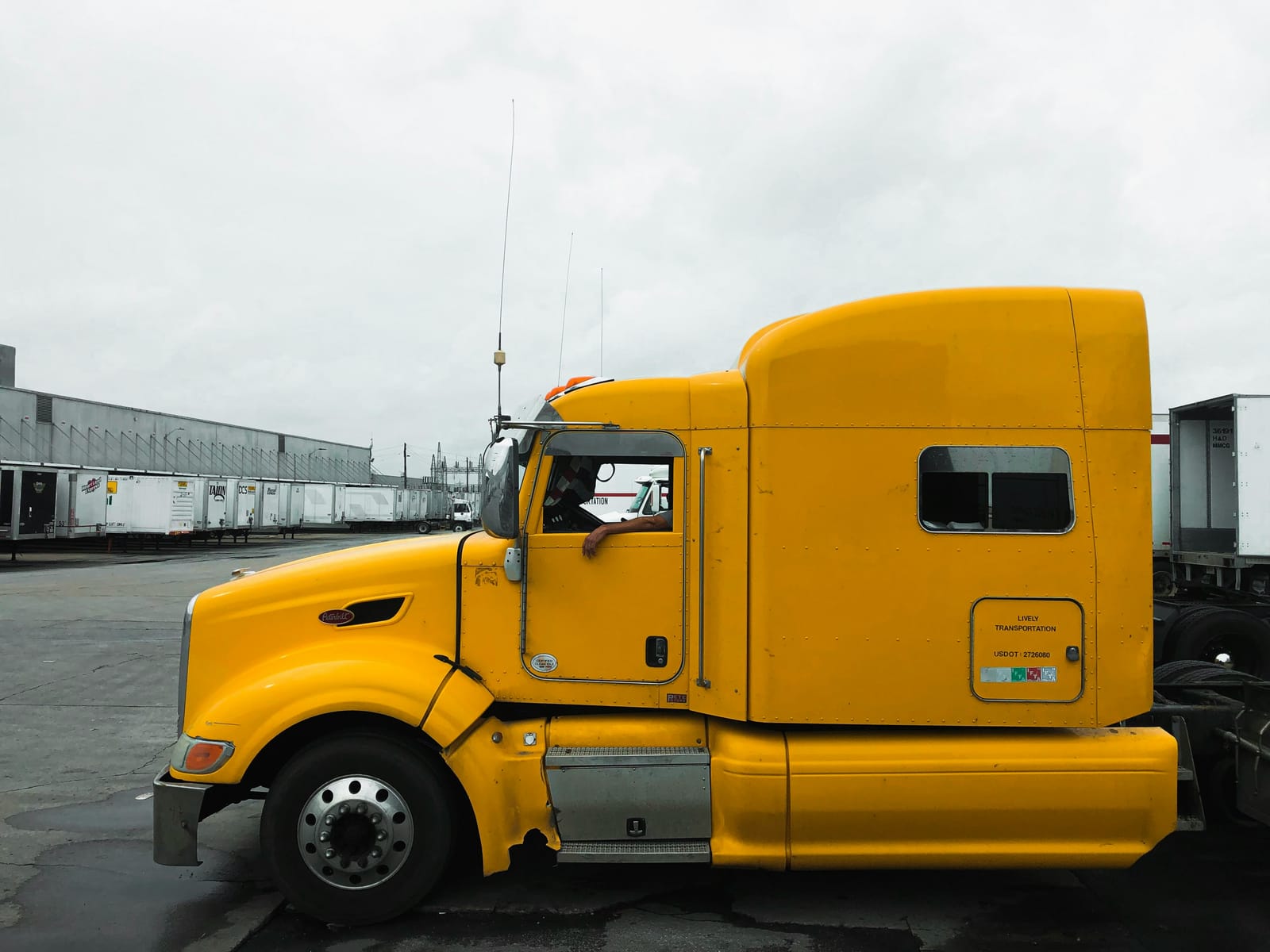
Figure 5.4: Operating within private terminal boundaries under Yard Move status allows drivers to reposition equipment without consuming their statutory 11-hour highway driving window.
Ensure Total Vehicle Compliance with Fast Form HVUT 2290 E-Filing
While maintaining precision in your daily ELD logs, keep your federal heavy vehicle use tax watermark up to date. File Form HVUT 2290 with Consulics in minutes.
e-File Form HVUT 2290 Now →Authorized vs Prohibited Uses of Personal Conveyance: The FMCSA Regulatory Guidance
FMCSA published comprehensive official regulatory guidance defining what constitutes legitimate Personal Conveyance. The fundamental test is whether the movement advances the commercial operational mission of the motor carrier.
If the movement provides a commercial benefit to the carrier or shipper, it cannot be logged as Personal Conveyance under any circumstances:
- Authorized PC: Moving to Safe Haven for Rest: When a driver is ordered off a shipper's property after loading or arrives at a full rest area, moving under PC to the nearest safe, legal parking location to take a mandatory rest break is explicitly permitted.
- Authorized PC: Commuting and Personal Errands: Traveling between personal lodging (hotel or home) and a commercial terminal; traveling to nearby restaurants, grocery stores, or entertainment while off-duty.
- PROHIBITED: Advancing the Load: Moving under PC toward your delivery destination, intermediate terminal, or pickup location after running out of driving hours is illegal falsification.
- PROHIBITED: Bobtailing to Next Dispatch: Bobtailing or deadheading to pick up another load under PC is strictly illegal, as it is a commercial operational movement.
- PROHIBITED: Traveling to Maintenance Facilities: Driving a commercial truck or tractor to a commercial repair shop, wash bay, or dealer for service while off-duty is prohibited under PC.
| Operational Scenario | Legal ELD Duty Status | Impact on 11-Hour Drive Clock | Impact on 14-Hour Duty Clock |
|---|---|---|---|
| Moving to nearest truck stop after being told to leave shipper facility | Personal Conveyance (PC) | No impact (Counts as Off-Duty) | No impact (Clock remains paused) |
| Driving home or to hotel after ending duty tour | Personal Conveyance (PC) | No impact (Counts as Off-Duty) | No impact (Clock remains paused) |
| Repositioning tractor-trailer between dock doors inside shipper facility | Yard Move (YM) | Does NOT count against 11-hr drive limit | DOES consume 14-hr duty clock (On-Duty) |
| Operating on public street between two carrier terminal yards 1 mile apart | Standard Driving (D) | Consumes 11-hr drive limit | Consumes 14-hr duty clock |
| Driving toward receiver to get closer after 11 hours expire | PROHIBITED (Log Falsification) | Violation of 49 CFR Part 395 | Immediate 10-Hour Out-of-Service Order |
Filing HVUT 2290 for Your CDL Commercial Vehicle?
Consulics provides the fastest, most reliable IRS-authorized Form 2290 e-filing for motor carriers. Receive your official stamped Schedule 1 in minutes.
e-File Form HVUT 2290 Online →Related resources
- File Form 2290 online
- How to file Form 2290, step by step
- HVUT and the stamped Schedule 1, explained
- Estimate your tax with the HVUT 2290 calculator
- Check your Form 2290 due date
- Semi-Truck Parking Crisis & Reservation Guide
- Weigh Station Bypass & Electronic Screening Guide
- Commercial Truck GPS & Low Bridge Avoidance Guide
- DOT New Entrant Safety Audit Preparation Guide
- E-File IRS Form 2290 Online
- IRS Stamped Schedule 1 Proof of Payment
- Form 2290 Due Date & Penalty Calculator
- FMCSA CSA Scores & SMS BASICs Optimization Guide
More Form 2290 and HVUT guides
- Driver Vehicle Inspection Report (DVIR) Guide: FMCSA 49 CFR § 396.11 Rules, Pre/Post-Trip Mandates & Retention
- Semi-Truck Parking Shortage & Reservation Guide: Jason's Law, Travel Plazas, Rest Areas, and Safe Haven Rules
- FMCSA Clearinghouse & Random Drug Testing Guide: Pre-Employment, Annual Queries, and Consortiums
- How to Prepare for a DOT New Entrant Safety Audit: 6 Safety Factors and 16 Automatic Failure Violations
- DOT Sleep Apnea Testing & CPAP Rules Guide: Screening Criteria, Compliance Hours, and Medical Card Recertification
- Flatbed & Step-Deck Cargo Securement Guide: 49 CFR Part 393 Rules, Working Load Limits, and Tarping
Ready to file your Form 2290?
IRS-authorized e-filing — get your stamped Schedule 1 in minutes.
e-File Form 2290 Now →This post is general information for motor carriers, not tax or legal advice, and government rules, systems, and fees can change at any time. Confirm anything before you rely on it with the IRS, the FMCSA, or a qualified professional. Consulics does not guarantee its accuracy or currency and accepts no liability for information an agency later changes.