FMCSA Obstructive Sleep Apnea (OSA) Screening Guidelines: BMI, Neck Size, and Risk Indicators
Obstructive Sleep Apnea (OSA) is classified by federal safety regulators as a major risk factor in commercial motor vehicle operations due to chronic daytime somnolence, micro-sleep episodes, and impaired cognitive reaction speeds. While the FMCSA does not maintain an explicit standalone regulation titled "The Sleep Apnea Rule," examiners are legally bound under 49 CFR § 391.41(b)(5) to disqualify any driver with a "respiratory dysfunction likely to interfere with the ability to control and drive a commercial motor vehicle safely."
To standardize medical evaluations, the FMCSA Medical Review Board (MRB) established comprehensive clinical screening criteria. When a commercial driver presents multiple risk factors, the Certified Medical Examiner is clinically required to order an attended Polysomnography (in-lab sleep study) or a validated Home Sleep Apnea Test (HSAT) before issuing an unrestricted medical certificate.
Drivers diagnosed with moderate to severe OSA (defined as an Apnea-Hypopnea Index (AHI) of 15 or greater, or an AHI of 5–14 with daytime sleepiness) must demonstrate ongoing therapeutic control—most commonly through Continuous Positive Airway Pressure (CPAP) therapy.
- Body Mass Index (BMI) Benchmarks: A BMI of 35 or greater combined with one or more secondary risk factors (hypertension, type 2 diabetes, heart disease) typically prompts an automatic sleep study referral. A BMI of 40 or greater frequently triggers an automatic referral regardless of other symptoms.
- Neck Circumference Measurements: Neck size exceeding 17 inches for men or 16 inches for women indicates anatomical airway narrowing.
- Symptom Questionnaires: High scores on the Epworth Sleepiness Scale, loud nocturnal snoring, witnessed gasping/choking episodes, or waking unrefreshed.
- Temporary 90-Day Medical Certification: If a driver is referred for a sleep study, the examiner may issue a temporary 90-day card allowing the driver to work while completing the evaluation and beginning treatment.
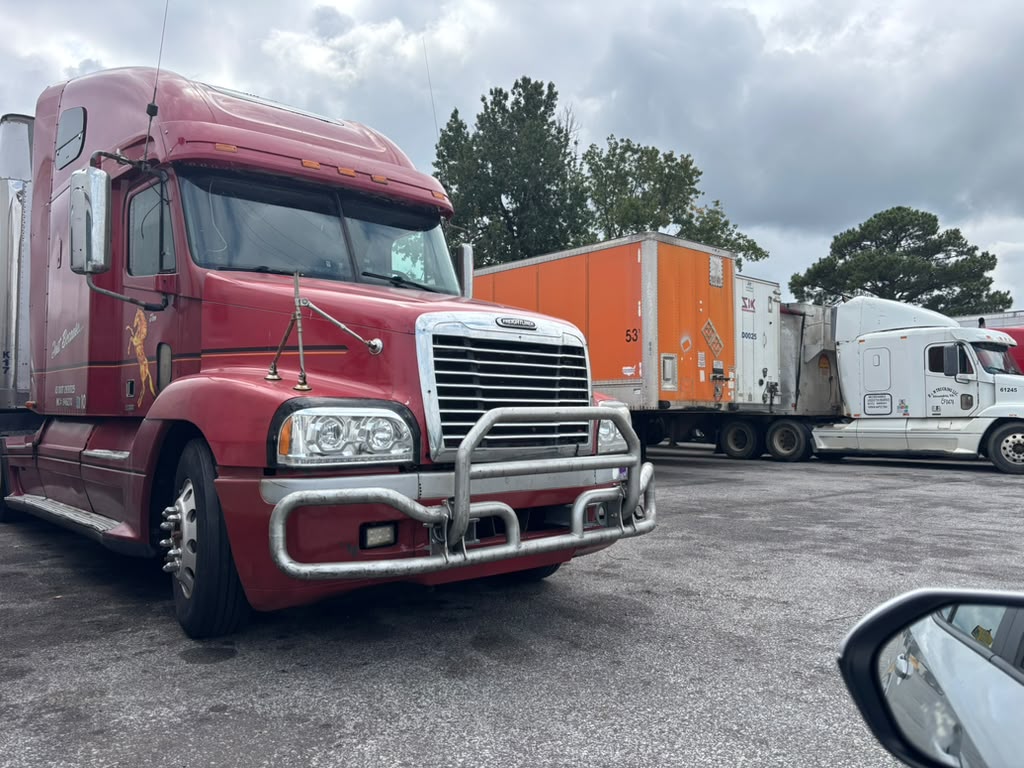
Figure 4.2: Maintaining restful sleeper berth recovery and certified sleep therapy compliance under FMCSA guidelines prevents drowsy driving on interstate freight corridors.
Ensure Commercial Authority Compliance with Form HVUT 2290
Medical clearance keeps your driver qualification file audit-ready; timely tax filings keep your fleet operating legally. E-file Form HVUT 2290 online with Consulics.
e-File Form HVUT 2290 Now →The 70% CPAP Compliance Standard: Data Logging, 30/90-Day Reports, and Annual Recertification
For commercial drivers diagnosed with sleep apnea who utilize CPAP machines, maintaining your commercial driving status requires continuous proof of treatment compliance. The universal regulatory and clinical standard enforced across the commercial trucking industry is the "70% Compliance Rule."
Under this standard, a driver must document that they use their CPAP machine for at least 4 hours per night on at least 70% of all nights across a continuous evaluation window. Modern CPAP devices feature internal memory chips and cellular modems that log machine operating hours, mask pressure, and leak rates directly to cloud servers accessible by medical providers.
When attending an annual DOT physical recertification, CPAP users must present an official compliance report printed by their sleep doctor or equipment provider covering the preceding 30 to 90 consecutive days.
- Initial Diagnosis Protocol (30-Day Window): Newly diagnosed drivers must demonstrate at least 30 consecutive days of compliance (with ≥70% adherence) to transition from a temporary card to a standard 1-year card.
- Annual Recertification Protocol (90-Day Window): At annual renewal, the driver must submit a 90-day compliance report demonstrating ongoing adherence, along with an annual clearance letter from their treating physician.
- The Maximum 1-Year Card Limit: Drivers with treated obstructive sleep apnea are restricted to a maximum 1-year medical certification. They can never receive a 2-year card, regardless of how perfect their compliance data is.
- In-Cab 12V Inverter Considerations: Long-haul drivers must ensure their tractor sleeper berth is equipped with a pure sine-wave power inverter (minimum 300–500W) or direct DC power adapter to operate their CPAP unit during mandatory 10-hour rest breaks without interruption.
| Assessment Metric | Standard / Clinical Threshold | Regulatory Impact on CDL Driver | Action Required for Compliance |
|---|---|---|---|
| Mild OSA | AHI 5 to 14.9 events/hr | Certification allowed if asymptomatic; treatment recommended if symptomatic. | Clinical monitoring; repeat evaluation if symptoms worsen. |
| Moderate OSA | AHI 15 to 29.9 events/hr | Mandatory treatment required to hold commercial medical certificate. | CPAP therapy; must achieve ≥70% usage for 4+ hrs/night. |
| Severe OSA | AHI ≥ 30 events/hr | Immediate disqualification until compliant treatment established. | CPAP therapy; initial 30-day compliance trial before driving. |
| CPAP Compliance Standard | ≥4 hrs/night for 70% of nights | Qualifies driver for annual 1-year commercial medical card. | Export 30-day (initial) or 90-day (annual) cloud report to CME. |
E-File Your Form 2290 with Consulics Today
Don't let administrative delays hold up your vehicle registration. Consulics provides rapid IRS e-filing with immediate stamped Schedule 1 delivery.
e-File Form HVUT 2290 Online →Related resources
- File Form 2290 online
- How to file Form 2290, step by step
- HVUT and the stamped Schedule 1, explained
- Estimate your tax with the HVUT 2290 calculator
- Check your Form 2290 due date
- DOT Physical Blood Pressure Limits & Passing Guide
- CDL Medical Card Self-Certification State Guide
- ELD Personal Conveyance vs Yard Move Rules
- Semi-Truck Parking Crisis & Reservation Guide
- E-File IRS Form 2290 Online
- IRS Stamped Schedule 1 Proof of Payment
- Form 2290 Due Date & Penalty Calculator
- FMCSA CSA Scores & SMS BASICs Optimization Guide
More Form 2290 and HVUT guides
- DOT Physical Blood Pressure Limits Guide: Stages 1-3, Certification Durations, and Passing Protocols
- Commercial Truck Air Brake System Inspection & 4-Step Leakage Test Guide: FMCSA Compliance & CVSA Standards
- FMCSA Entry-Level Driver Training (ELDT) Guide: Theory Curriculum, BTW Testing, and TPR Compliance
- Commercial Truck Accident Scene Guide: 49 CFR § 382.303 Post-Crash Testing & Claim Defense
- FMCSA Clearinghouse & Random Drug Testing Guide: Pre-Employment, Annual Queries, and Consortiums
- DOT, OSHA & ANSI Truck Emergency Safety Kit & Tools Guide: FMCSA Compliance Requirements
Ready to file your Form 2290?
IRS-authorized e-filing — get your stamped Schedule 1 in minutes.
e-File Form 2290 Now →This post is general information for motor carriers, not tax or legal advice, and government rules, systems, and fees can change at any time. Confirm anything before you rely on it with the IRS, the FMCSA, or a qualified professional. Consulics does not guarantee its accuracy or currency and accepts no liability for information an agency later changes.