FMCSA Blood Pressure Standards: The 4 Hypertension Stages and Medical Certification Durations
For commercial vehicle drivers holding a Commercial Driver's License (CDL), the DOT medical examination administered under 49 CFR § 391.41 is the legal gatekeeper of your livelihood. Among all clinical evaluations conducted by a Certified Medical Examiner (CME) on the FMCSA National Registry, blood pressure (BP) is the single most common cause of temporary qualification, shortened medical card durations, or immediate medical disqualification.
The Federal Motor Carrier Safety Administration (FMCSA) establishes strict diagnostic thresholds based on systolic (upper number) and diastolic (lower number) readings. The regulation dictates that if your blood pressure falls within normal parameters, you receive a full two-year medical card. However, elevated readings automatically trigger statutory downgrade rules ranging from a one-year card to a non-renewable three-month temporary card or immediate disqualification.
Understanding these exact regulatory stages allows motor carriers and professional drivers to take proactive measures before stepping into the examination clinic.
- Normal Range (<140/<90 mmHg): Qualifies the driver for the maximum 2-year commercial medical certificate, provided no antihypertensive medications are taken to achieve this reading.
- Stage 1 Hypertension (140–159 / 90–99 mmHg): If not previously diagnosed or taking BP medication, qualifies for a 1-year certificate. If taking medication or renewing after a 1-year card, reading must be under 140/90, or a one-time 3-month card is issued.
- Stage 2 Hypertension (160–179 / 100–109 mmHg): Triggers a one-time, non-consecutive 3-month temporary certificate to allow the driver to initiate or adjust treatment and reduce BP below 140/90.
- Stage 3 Hypertension (≥180 / ≥110 mmHg): Triggers immediate commercial medical disqualification. The driver cannot legally operate a commercial motor vehicle until blood pressure is lowered to <140/90 and documented with a 6-month recertification cycle.
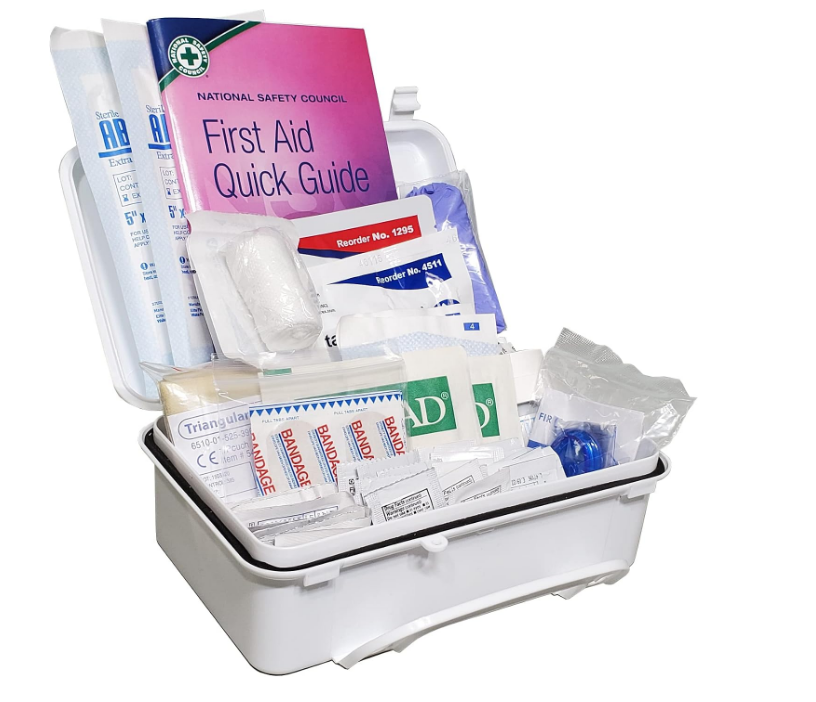
Figure 4.1: Regular clinical vitals tracking and comprehensive first-aid health readiness are essential components of maintaining commercial driver medical fitness under FMCSA 49 CFR Part 391.
Protect Your Operating Status with Valid Form HVUT 2290 E-Filing
Maintaining physical driver compliance goes hand-in-hand with vehicle operating authority. E-file your IRS Form 2290 with Consulics and secure your stamped Schedule 1 in minutes.
e-File Form HVUT 2290 Now →Overcoming Roadside Exam Stress: Protocols for White Coat Syndrome and Prescription Compliance
A significant percentage of commercial drivers suffer from "White Coat Hypertension"—an acute, situational spike in blood pressure induced by the anxiety of the examination room. Because a driver's income depends on passing the test, the clinical setting itself can elevate an otherwise healthy resting blood pressure into Stage 1 or Stage 2 territory.
Federal Medical Examiner guidelines explicitly authorize examiners to allow drivers to rest quietly for 15 to 30 minutes in a darkened, quiet room before repeating the measurement. Furthermore, guidelines recommend taking multiple readings on both arms and recording the lowest verified reading.
Drivers taking prescription antihypertensive medications (such as ACE inhibitors, beta-blockers, or diuretics) can obtain up to a 1-year maximum certification, provided their blood pressure is maintained under 140/90 mmHg. Drivers on medication can never receive a 2-year card, but annual renewal is fully sustainable throughout an entire trucking career.
- Pre-Exam Dietary Preparation (48 Hours Prior): Eliminate energy drinks, high-caffeine supplements, high-sodium fast foods, and tobacco/nicotine products, which spike vascular resistance.
- Hydration and Sleep: Dehydration concentrates blood volume and raises readings. Ensure proper electrolyte hydration and 7 to 8 hours of restful sleep prior to the exam.
- The Multiple Reading Protocol: If your first reading is elevated, politely request that the examiner conduct the vision, hearing, and physical exam first, then re-measure BP after your autonomic nervous system has stabilized.
- Prescription Documentation: Always bring an official printout of current medications from your prescribing physician indicating diagnosis, dosage, and that the medication has no adverse effects on commercial driving.
| Hypertension Stage | Systolic / Diastolic (mmHg) | Medical Certification Allowed | Follow-Up & Renewal Conditions |
|---|---|---|---|
| Normal / Controlled | <140 and <90 | 2 Years (No Meds) / 1 Year (On Meds) | Full qualification; annual renewal if managed with prescription therapy. |
| Stage 1 | 140–159 / 90–99 | 1 Year (First Time) | Must reduce to <140/90 at 1-year renewal; failure yields one-time 3-month card. |
| Stage 2 | 160–179 / 100–109 | 3 Months (One-Time Temporary) | Driver must achieve <140/90 within 90 days; qualifies for 1-year card from initial exam date. |
| Stage 3 | ≥180 or ≥110 | Immediate Disqualification (0 Days) | Cannot drive CMV. Once lowered to <140/90, qualifies for 6-month recertification cycles. |
Filing HVUT 2290 for Your Commercial Tractor?
Consulics provides the fastest, most reliable IRS-authorized Form 2290 e-filing for motor carriers. Keep your stamped Schedule 1 ready for annual DMV registration renewals.
e-File Form HVUT 2290 Online →Related resources
- File Form 2290 online
- How to file Form 2290, step by step
- HVUT and the stamped Schedule 1, explained
- Estimate your tax with the HVUT 2290 calculator
- Check your Form 2290 due date
- DOT Sleep Apnea Testing & CPAP Rules Guide
- CDL Medical Card Self-Certification State Guide
- Commercial Truck Emergency Safety Kit Requirements
- Class A CDL Pre-Trip Inspection Memory Script
- E-File IRS Form 2290 Online
- IRS Stamped Schedule 1 Proof of Payment
- Form 2290 Due Date & Penalty Calculator
- DOT New Entrant Safety Audit Preparation Guide
More Form 2290 and HVUT guides
- DOT Sleep Apnea Testing & CPAP Rules Guide: Screening Criteria, Compliance Hours, and Medical Card Recertification
- CDL Medical Card Self-Certification Guide: The 4 Driving Categories, State SDLA Submissions, and Preventing Downgrade
- Commercial Truck Air Brake System Inspection & 4-Step Leakage Test Guide: FMCSA Compliance & CVSA Standards
- Driver Vehicle Inspection Report (DVIR) Guide: FMCSA 49 CFR § 396.11 Rules, Pre/Post-Trip Mandates & Retention
- FMCSA Clearinghouse & Random Drug Testing Guide: Pre-Employment, Annual Queries, and Consortiums
- DOT, OSHA & ANSI Truck Emergency Safety Kit & Tools Guide: FMCSA Compliance Requirements
Ready to file your Form 2290?
IRS-authorized e-filing — get your stamped Schedule 1 in minutes.
e-File Form 2290 Now →This post is general information for motor carriers, not tax or legal advice, and government rules, systems, and fees can change at any time. Confirm anything before you rely on it with the IRS, the FMCSA, or a qualified professional. Consulics does not guarantee its accuracy or currency and accepts no liability for information an agency later changes.