The 4 Independent State Mileage Taxes: Beyond IFTA and Federal Form 2290
While the International Fuel Tax Agreement (IFTA) standardizes quarterly fuel tax reporting and the IRS collects the federal Heavy Vehicle Use Tax through Form 2290, four individual states enforce separate, standalone weight-distance highway mileage taxes: New York (NY HUT), Kentucky (KYU), New Mexico (NM WDT), and Oregon (Weight-Mile Tax).
These state taxes are levied directly on total commercial vehicle miles traveled within the physical borders of that specific state, calculated by the vehicle's registered gross weight. Carriers that traverse these states without prior account registration or temporary trip permits face immediate impoundment at state ports of entry, steep civil penalties, and liens on carrier assets.
Understanding registration rules, quarterly filing deadlines, and tax rate schedules for each of the four mileage-tax states ensures seamless cross-country operations.
- New York Highway Use Tax (NY HUT): Imposed on commercial motor vehicles with a gross weight exceeding 18,000 pounds. Carriers must obtain an official Certificate of Registration and physical HUT decal for each vehicle, filing quarterly returns with the NY Department of Taxation and Finance.
- Kentucky KYU License: Required for all commercial vehicles operating on Kentucky highways with a combined gross weight of 60,000 pounds or more. Carriers must register for an active KYU number and file quarterly mileage reports online.
- New Mexico Weight-Distance Tax (NM WDT): Applies to commercial vehicles weighing over 26,000 pounds. Requires an active NM WDT tax identification number or purchase of a single-trip temporary permit at the port of entry.
- Oregon Weight-Mile Tax: Oregon does not participate in IFTA fuel tax collection for heavy commercial trucks; instead, it enforces the nation's most comprehensive Weight-Mile Tax on all vehicles weighing over 26,000 pounds, requiring a surety bond, state account, and monthly or quarterly tax reporting.
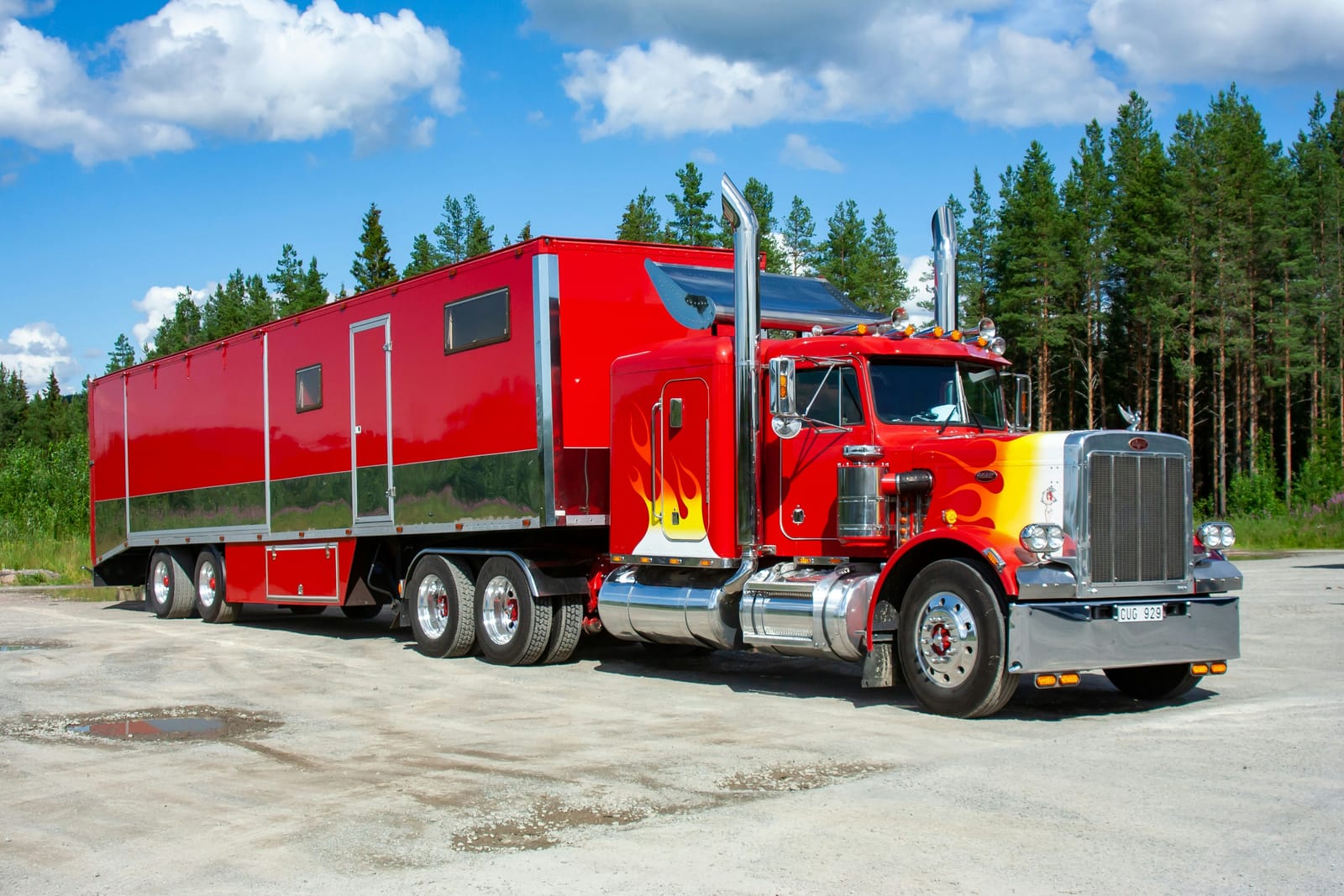
Figure 10.2: Commercial trucks crossing state boundaries into New York, Kentucky, New Mexico, or Oregon must maintain active state mileage tax accounts alongside federal Form 2290 Schedule 1 proof.
Ensure Commercial Authority Compliance with Form HVUT 2290
While filing state mileage returns, keep your federal registration watermarks valid. E-file Form HVUT 2290 with Consulics and secure your stamped Schedule 1 in minutes.
e-File Form HVUT 2290 Now →Account Setup, Bond Requirements, and Quarterly Filing Calendars
Managing compliance across all four mileage-tax states requires tracking distinct filing deadlines and bond conditions:
- Electronic Portal Registration: All four states provide online carrier registration portals where motor carriers can apply for accounts and establish electronic filing credentials.
- Oregon Surety Bond Rules: Out-of-state carriers registering for an Oregon Weight-Mile account must typically post a commercial surety bond (ranging from $2,000 to $10,000 depending on fleet size) to guarantee tax payments.
- Quarterly Mileage Auditing: Mileage reported on NY HUT, KYU, and NM WDT returns must match exact odometer and GPS telematics records. State tax auditors cross-reference your IFTA distance records against mileage tax returns during compliance audits.
- Single-Trip Temporary Permits: If your fleet traverses New Mexico or Oregon only once or twice per year, purchasing a temporary single-trip permit online or at the port of entry scale is often more cost-effective than maintaining an active standing tax account.
| State Mileage Tax | Gross Weight Threshold | Registration / Credential Required | Filing Frequency | Port-of-Entry Temporary Permit Available? |
|---|---|---|---|---|
| New York HUT | 18,000+ lbs | NY HUT Certificate of Registration & Decal | Quarterly (Form MT-903) | YES (Temporary 30-day permit) |
| Kentucky KYU | 60,000+ lbs | KYU Tax Identification Number | Quarterly online | YES (Single-trip temporary permit) |
| New Mexico WDT | 26,000+ lbs | NM Weight-Distance Tax Identification | Quarterly online | YES (Purchased at state scale) |
| Oregon Weight-Mile | 26,000+ lbs | Oregon Weight-Mile Account & Bond | Monthly or Quarterly | YES (Temporary pass per trip) |
Filing HVUT 2290 for Your CDL Commercial Vehicle?
Consulics provides the fastest, most reliable IRS-authorized Form 2290 e-filing for motor carriers. Receive your official stamped Schedule 1 in minutes.
e-File Form HVUT 2290 Online →Related resources
- File Form 2290 online
- How to file Form 2290, step by step
- HVUT and the stamped Schedule 1, explained
- Estimate your tax with the HVUT 2290 calculator
- Check your Form 2290 due date
- Oversize & Overweight (OS/OW) Truck Permits Guide
- Commercial Truck Toll Management Guide
- Weigh Station Bypass & Electronic Screening Guide
- DOT New Entrant Safety Audit Preparation Guide
- E-File IRS Form 2290 Online
- IRS Stamped Schedule 1 Proof of Payment
- Form 2290 Due Date & Penalty Calculator
- How to File Form 2290 in New York
More Form 2290 and HVUT guides
- New York Form 2290 Requirements: HVUT Filing and Your Schedule 1
- Form 2290 Amendments: How to Add Trucks, Increase Taxable Weight, and Report Exceeded Mileage
- How to Slide Tandems and Balance Commercial Truck Axle Weights: Federal Bridge Formula, Kingpin Rules, and CAT Scale Guide
- Commercial Truck Winter Driving & Tire Chaining Laws Guide: State-by-State Regulations, Chain Types, and Fuel Anti-Gel
- CDL Medical Card Self-Certification Guide: The 4 Driving Categories, State SDLA Submissions, and Preventing Downgrade
- Semi-Truck Financing Guide for New Authorities: Down Payments, Credit Tiers, and Commercial Lending
Ready to file your Form 2290?
IRS-authorized e-filing — get your stamped Schedule 1 in minutes.
e-File Form 2290 Now →This post is general information for motor carriers, not tax or legal advice, and government rules, systems, and fees can change at any time. Confirm anything before you rely on it with the IRS, the FMCSA, or a qualified professional. Consulics does not guarantee its accuracy or currency and accepts no liability for information an agency later changes.