The Hotshot Trucking Model: Fast Freight Delivery with Heavy-Duty Pickup Platforms
Hotshot trucking is a specialized, agile sector of the commercial freight transportation industry characterized by hauling time-sensitive, expedited, or regional open-deck freight utilizing heavy-duty Class 3, 4, or 5 commercial pickup trucks (such as 3500, 4500, or 5500 dual-rear-wheel chassis) coupled with gooseneck flatbed trailers. Born originally in the Texas oilfields to rush critical drilling drill bits and pipes to remote rigs, modern hotshot operations move everything from agricultural machinery and construction steel to palletized industrial freight.
For entrepreneurs entering commercial transportation, hotshot hauling offers lower initial equipment capital costs compared to Class 8 semi-tractors, improved maneuverability in urban and job-site drop-offs, and competitive spot freight rates. However, contrary to persistent social media misconceptions, hotshot trucking is subject to the exact same federal safety, regulatory, and commercial licensing statutes as full-size 80,000-pound tractor-trailers.
Every hotshot motor carrier operating in interstate commerce must maintain active USDOT and operating authority, commercial motor vehicle liability insurance, electronic logging devices (ELDs), and compliance with federal tax filings.
- The 26,001-Pound CDL Dividing Line: Under 49 CFR § 383.5, if the combined Gross Vehicle Weight Rating (GVWR) of the truck and trailer exceeds 26,000 pounds, and the trailer GVWR exceeds 10,000 pounds, the driver must hold a Class A CDL.
- Non-CDL Hotshot Limitations: Running "Non-CDL Hotshot" requires keeping total combined manufacturer GVWR ratings at 26,000 pounds or less (e.g., a 12,000-lb truck GVWR plus a 14,000-lb trailer GVWR). This severely restricts legal payload capacity to approximately 7,000 to 9,000 pounds.
- Class A Hotshot Payload Advantages: Running with a Class A CDL allows operating heavy tandem-dual gooseneck trailers (25,900 lb trailer GVWR + 14,000 lb truck GVWR = ~40,000 lb GCWR), boosting legal cargo payload to 16,000 to 20,000 pounds and unlocking premium heavy machinery freight.
- HVUT Form 2290 Applicability: If a heavy commercial vehicle combination is registered with a taxable gross weight of 55,000 pounds or more, federal law mandates annual IRS Form 2290 e-filing. Most standard hotshots operate below 55,000 lbs and are exempt from HVUT, but specialized heavy-haul hotshots crossing 55,000 lbs must obtain a stamped Schedule 1.
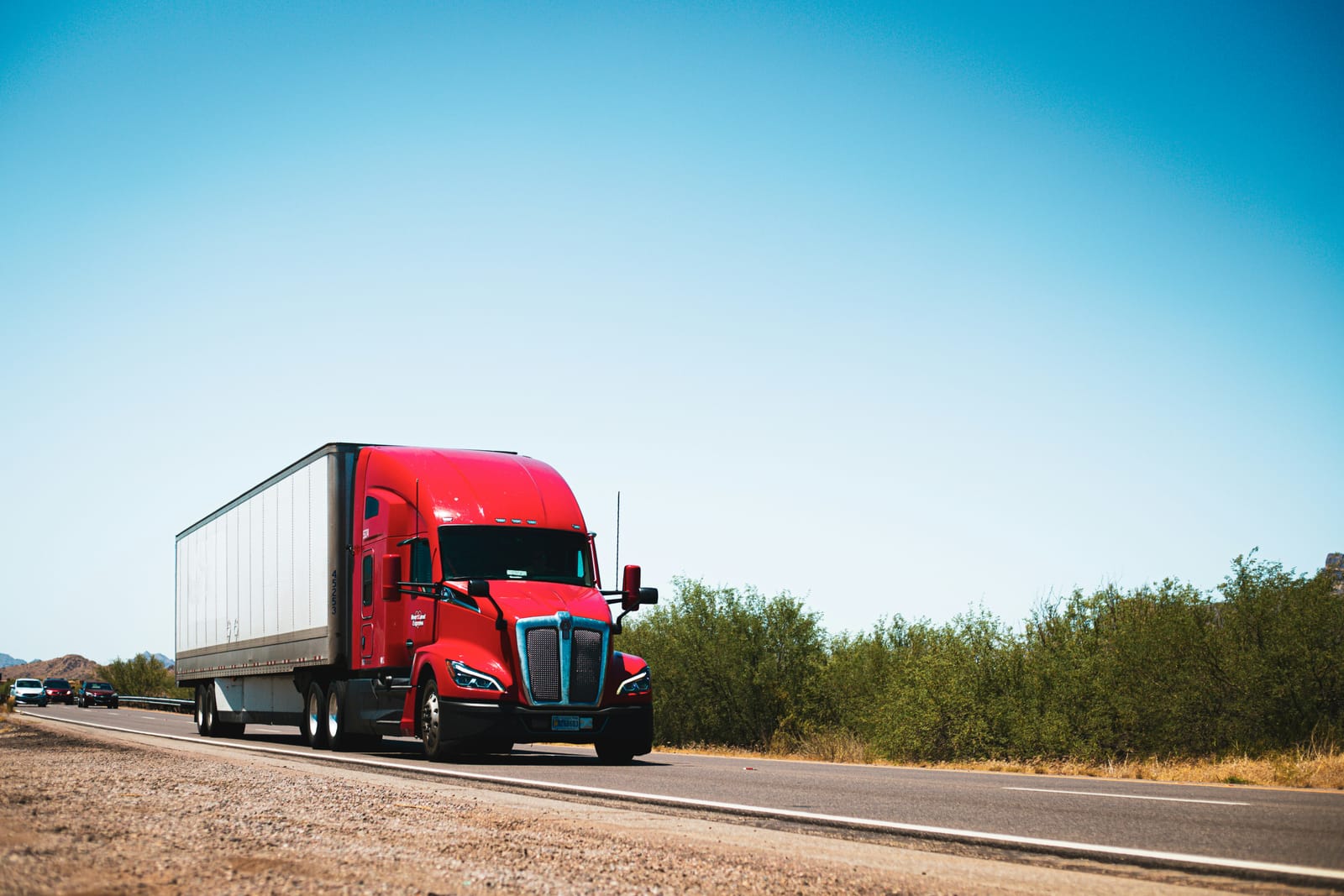
Figure 6.1: Commercial hotshot combinations provide versatile regional freight transport, operating under strict FMCSA safety, cargo securement, and hours-of-service compliance rules.
Ensure Commercial Authority Compliance with Form HVUT 2290
Whether operating hotshots or scaling into Class 8 semi-tractors, maintain active authority with Consulics rapid online IRS tax filings and instant stamped Schedule 1 delivery.
e-File Form HVUT 2290 Now →Hotshot Operational Economics: Startup Capital, Operating Expenses, and Freight Selection
Achieving long-term profitability in hotshot trucking requires meticulous cost accounting. Many new entrants fail within their first year because they confuse gross revenue with net cash profit, neglecting fuel burn, tire wear, commercial insurance, and preventative maintenance.
A realistic hotshot operational budget must account for fixed monthly overhead alongside variable per-mile costs:
- Primary Equipment Capital ($65,000 to $120,000): A reliable new or late-model 1-ton diesel dually truck ($45,000–$85,000) coupled with a 40-foot tandem-dual gooseneck trailer ($18,000–$32,000) equipped with heavy-duty ramps and mega-ramps.
- Commercial Auto Liability & Cargo Insurance ($10,000 to $22,000/yr): New authorities typically face high commercial insurance premiums, requiring $1,000,000 in primary auto liability and $100,000 in cargo insurance to book freight with top brokers.
- Rigging & Securement Gear ($2,500 to $5,000): Grade 70 transport chains, ratchet load binders, 4-inch commercial ratchet straps, edge protectors, coil racks, and heavy-duty lumber/steel tarps.
- Target Operating Metrics: Successful hotshot operators aim for a minimum of $2.20 to $3.00+ per loaded mile, maintaining average weekly mileage of 2,000 to 2,500 miles while closely managing deadhead miles below 15%.
| Operational Factor | Non-CDL Hotshot (≤26,000 lbs GCWR) | Class A CDL Hotshot (>26,000 lbs GCWR) |
|---|---|---|
| Commercial Driver License | Standard Class D (Regular Driver License) | Commercial Driver License (Class A CDL) |
| Maximum Legal Payload | Approx. 7,000 to 9,000 lbs payload | Approx. 16,500 to 21,000 lbs payload |
| Trailer Configuration | Typically 30–36 ft tandem axle (14k GVWR) | 40–44 ft dual-tandem gooseneck (25.9k GVWR) |
| Freight Market Access | Restricted to light pallets, small equipment | Full access to oilfield machinery, steel coils, heavy tractors |
| Average Gross Rate / Mile | $1.80 – $2.40 per loaded mile | $2.40 – $3.50+ per loaded mile |
Filing HVUT 2290 for Your Fleet Commercial Vehicles?
Consulics provides the fastest, most reliable IRS-authorized Form 2290 e-filing for motor carriers. Receive your official stamped Schedule 1 in minutes.
e-File Form HVUT 2290 Online →Related resources
- File Form 2290 online
- How to file Form 2290, step by step
- HVUT and the stamped Schedule 1, explained
- Estimate your tax with the HVUT 2290 calculator
- Check your Form 2290 due date
- Flatbed & Step-Deck Cargo Securement Guide
- Commercial Truck Fuel Cards & Discount Programs Guide
- Freight Factoring Cash Flow Guide for Truckers
- DOT New Entrant Safety Audit Preparation Guide
- E-File IRS Form 2290 Online
- IRS Stamped Schedule 1 Proof of Payment
- Form 2290 Due Date & Penalty Calculator
- FMCSA CSA Scores & SMS BASICs Optimization Guide
More Form 2290 and HVUT guides
- Carrier Lease-Purchase vs Company Driver Guide: Contract Pitfalls, Balloon Payments, and Truth in Leasing
- Owner-Operator Operating Budget & Cost Per Mile (CPM): Complete Financial Blueprint for Independent Truckers
- Commercial Truck Winter Driving & Tire Chaining Laws Guide: State-by-State Regulations, Chain Types, and Fuel Anti-Gel
- Freight Factoring Guide for Truckers: Recourse vs. Non-Recourse, Hidden Fees, and Cash Flow Optimization
- CDL Medical Card Self-Certification Guide: The 4 Driving Categories, State SDLA Submissions, and Preventing Downgrade
- Weigh Station Bypass Guide: Transponders vs Mobile Systems, ISS Scores, and CVSA Bypass Rates
Ready to file your Form 2290?
IRS-authorized e-filing — get your stamped Schedule 1 in minutes.
e-File Form 2290 Now →This post is general information for motor carriers, not tax or legal advice, and government rules, systems, and fees can change at any time. Confirm anything before you rely on it with the IRS, the FMCSA, or a qualified professional. Consulics does not guarantee its accuracy or currency and accepts no liability for information an agency later changes.