The Allure and Reality of Carrier Lease-Purchase Agreements: Analyzing the Trade-Offs
For many commercial CDL company drivers, the ambition to transition from a W-2 employee to an independent business owner is powerful. Fleets actively market "Lease-Purchase Programs" promising drivers the ability to "become your own boss," "earn $200,000+ annually," and "own your truck with zero money down and no credit check." In reality, carrier lease-purchase contracts are among the most financially hazardous arrangements in the commercial trucking industry.
Under a carrier lease-purchase agreement, the driver leases a Class 8 tractor directly from a motor carrier or its affiliated leasing entity, while simultaneously agreeing to haul freight exclusively for that same carrier. This dual relationship creates an inherent structural conflict of interest: the carrier controls both your revenue (by controlling which freight you are dispatched) and your expenses (by deducting fixed weekly truck payments, physical damage insurance, escrow reserves, and fuel advances directly from your settlement check).
According to industry analyses and congressional testimonies, fewer than 15% to 20% of drivers who enter carrier lease-purchase programs ever complete the lease and take clear title to the vehicle.
- Zero Capital Barrier vs Severe Financial Liability: While entering a lease requires $0 down and no credit check, weekly fixed truck payments typically range from $600 to $1,000+ per week ($2,400 to $4,000+ per month).
- Fixed Overhead Running on Empty: If freight volume drops, weather shuts down highways, or the truck sits in a repair shop, the driver still owes full weekly lease payments, resulting in negative settlement statements where the driver owes the carrier money.
- Balloon Payments at Lease Maturity: Many contracts feature substantial final purchase balloon payments—often $15,000 to $35,000—required at the end of a 3-to-5-year term to secure title transfer.
- Federal Truth in Leasing Protections (49 CFR Part 376): Federal regulations require carriers to provide clear, written lease terms, transparent accounting of all deductions, and prompt return of escrow deposits within 45 days of termination.
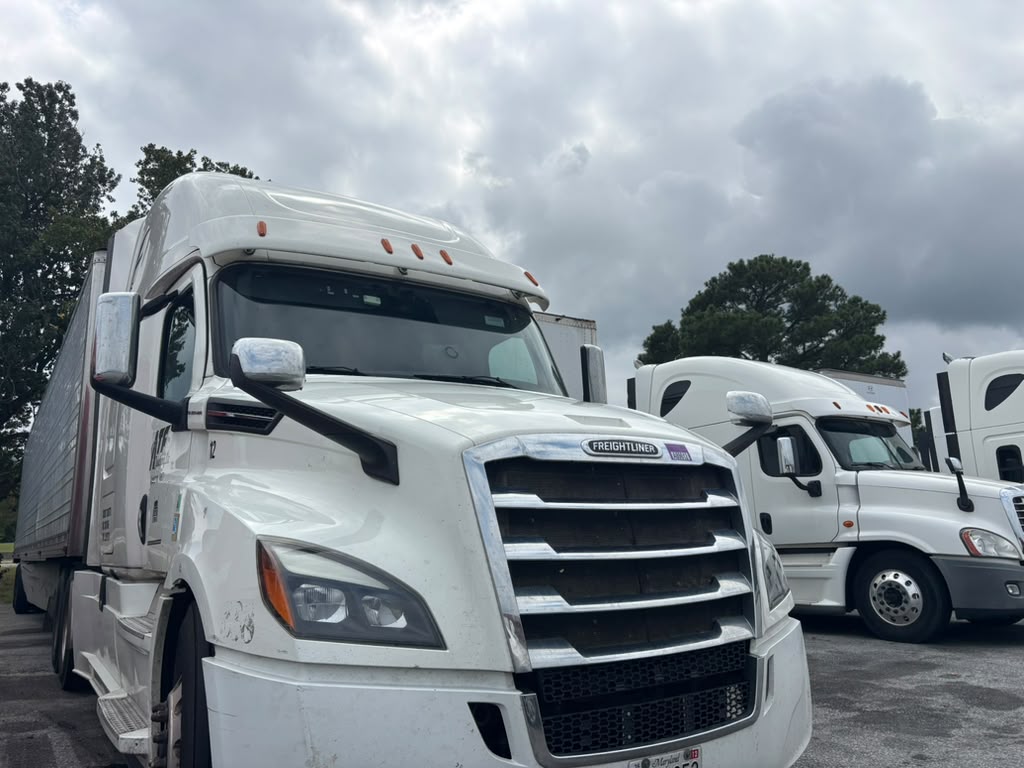
Figure 7.1: Evaluating carrier lease-purchase agreements requires thorough financial analysis of fixed weekly deductions, dispatch control, and maintenance escrow terms.
Ensure Total Fleet Compliance with Form HVUT 2290 E-Filing
Whether operating under lease or holding clear title, maintain your federal operating compliance. File Form HVUT 2290 with Consulics and secure your stamped Schedule 1 in minutes.
e-File Form HVUT 2290 Now →Settlement Accounting: Breaking Down the Fixed and Variable Deductions
To understand the stark difference between gross revenue and actual take-home pay under a lease-purchase contract, examine the mandatory weekly deductions taken from a typical $4,500 gross weekly revenue settlement:
- Fixed Weekly Tractor Payment ($650 – $950/wk): Amortized lease payment for the tractor chassis and engine.
- Physical Damage & Bobtail Insurance ($75 – $150/wk): Comprehensive collision and non-trucking liability coverage.
- Maintenance Escrow Reserve ($200 – $400/wk): Dedicated reserve fund deducted per mile (typically $0.10 to $0.15/mile) to cover catastrophic engine or transmission failures.
- ELD, Telematics & Qualcomm Communications ($35 – $65/wk): Monthly electronic logging and fleet management hardware access.
- Fuel Burn & Surcharge Advances ($1,200 – $1,800/wk): Variable fuel expenses consumed across 2,500 weekly dispatch miles.
- Realistic Net Take-Home Pay: After fixed deductions and diesel fuel expenses, a driver grossing $4,500 in weekly revenue frequently clears only $800 to $1,400 in net taxable profit—often earning less than an experienced W-2 company driver with full healthcare, paid time off, and 401(k) matching.
| Financial & Operational Metric | W-2 Company Driver | Carrier Lease-Purchase Driver | True Independent Owner-Operator |
|---|---|---|---|
| Down Payment & Credit Check | None required ($0) | None required ($0 down / no credit) | 10% – 25% down payment; good credit required. |
| Weekly Equipment Payment | None ($0) | $650 – $1,000+ per week | Commercial bank / credit union payment ($1,400–$2,200/mo). |
| Dispatch Freedom & Load Choice | Carrier dispatches; mandatory loads | Dispatched by carrier; limited load refusal | Full choice; self-dispatch on load boards/direct shippers. |
| Maintenance & Repair Liability | $0 (Carrier pays 100% of repairs) | Driver pays 100% of all repairs/tires | Owner pays 100% of all repairs/tires. |
| Equity & Vehicle Title Path | No ownership interest | Title only if balloon paid (~15% success) | Driver owns vehicle equity from day one. |
| Tax Status & Benefits | W-2 employee (Benefits, 401k, FICA paid) | 1099 independent contractor (Self-employment tax) | 1099 / S-Corp (Full business expense deductions). |
Filing HVUT 2290 for Leased or Owned Commercial Trucks?
Consulics provides the fastest, most reliable IRS-authorized Form 2290 e-filing for motor carriers. Receive your official stamped Schedule 1 in minutes.
e-File Form HVUT 2290 Online →Related resources
- File Form 2290 online
- How to file Form 2290, step by step
- HVUT and the stamped Schedule 1, explained
- Estimate your tax with the HVUT 2290 calculator
- Check your Form 2290 due date
- Semi-Truck Financing Guide for New Authorities
- Freight Factoring Cash Flow Guide for Truckers
- Commercial Truck Fuel Cards & Discount Programs Guide
- Detention Pay, Layover & TONU Trucking Guide
- E-File IRS Form 2290 Online
- IRS Stamped Schedule 1 Proof of Payment
- Form 2290 Due Date & Penalty Calculator
- DOT New Entrant Safety Audit Preparation Guide
More Form 2290 and HVUT guides
- Semi-Truck Financing Guide for New Authorities: Down Payments, Credit Tiers, and Commercial Lending
- Commercial Truck Tire Safety Guide: Steer Tire Blowout Survival, Minimum Legal Tread Depths, and Maintenance Standards
- Commercial Truck Winter Driving & Tire Chaining Laws Guide: State-by-State Regulations, Chain Types, and Fuel Anti-Gel
- Hotshot Trucking Startup Guide: Equipment Selection, CDL vs Non-CDL, Regulations, and Profitability
- Spot Market vs Contract Freight Guide: Rate Calculations, Load Board Bidding, and Lane Density
- Buying vs. Leasing a Semi-Truck: Complete Tax, Financing, and Form 2290 Responsibility Guide
Ready to file your Form 2290?
IRS-authorized e-filing — get your stamped Schedule 1 in minutes.
e-File Form 2290 Now →This post is general information for motor carriers, not tax or legal advice, and government rules, systems, and fees can change at any time. Confirm anything before you rely on it with the IRS, the FMCSA, or a qualified professional. Consulics does not guarantee its accuracy or currency and accepts no liability for information an agency later changes.