The Port & Rail Drayage Sector: Moving Maritime Containers Across Highway Gateways
Intermodal drayage is the vital logistical link connecting maritime ocean ports, inland river terminals, and Class 1 railroad container ramps to regional distribution warehouses and manufacturing plants. Drayage operators utilize specialized commercial day-cab tractors to transport 20-foot, 40-foot, and 53-foot intermodal shipping containers mounted on heavy-duty skeletal chassis.
While drayage routes are typically shorter in highway mileage than over-the-road long-haul trucking, the operating environment is intensely complex. Navigating high-security port terminals requires specialized federal security clearances, automated terminal appointment reservations, compliance with ocean shipping interchange contracts, and strict adherence to chassis safety statutes.
Understanding port security credentials, interchange liability, and fee structures allows motor carriers to operate profitably while avoiding catastrophic container detention charges.
- Transportation Worker Identification Credential (TWIC): Mandated by the Maritime Transportation Security Act (MTSA) and administered by the Transportation Security Administration (TSA). Drivers must hold an active biometric TWIC smart card to gain unescorted access to secure maritime port terminals.
- Uniform Intermodal Interchange and Facilities Access Agreement (UIIA): The standard commercial contract administered by the Intermodal Association of North America (IANA). Governs the legal relationship, insurance requirements, and liability assignment between motor carriers, ocean steamship lines, and railroad equipment providers.
- RFID Transponders & Port Terminal Truck Tracking: Port facilities (such as Los Angeles/Long Beach, NY/NJ, Savannah, and Houston) utilize Clean Truck check RFID tags on vehicle windshields to verify engine clean-air emissions compliance before opening automated terminal gates.
- Terminal Gate Appointment Systems: Drivers must book specific 1-to-2-hour gate arrival windows through terminal digital reservation portals to enter container yards.
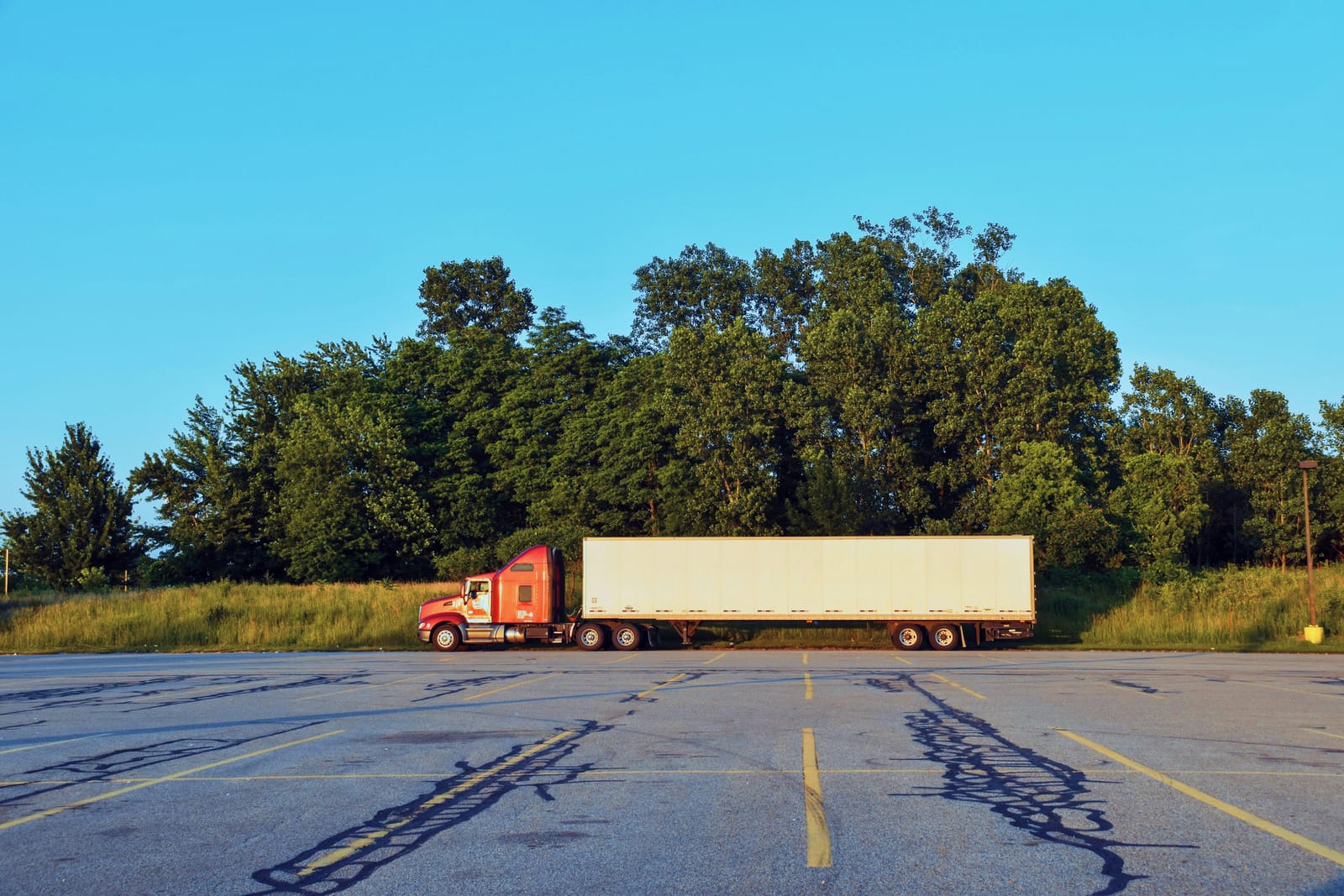
Figure 6.4: Intermodal port drayage requires biometric security clearances, Clean Truck emissions compliance, and rigorous chassis roadability pre-trip inspections.
Ensure Commercial Authority Compliance with Form HVUT 2290
Port authorities and state agencies verify vehicle registration and federal tax compliance. E-file Form HVUT 2290 with Consulics and secure your stamped Schedule 1 in minutes.
e-File Form HVUT 2290 Now →Chassis Roadability Regulations (49 CFR Part 390) and Demurrage Fee Mitigation
One of the historic challenges in intermodal drayage was driver liability for defective intermodal chassis provided by third-party chassis pools. Under the FMCSA Intermodal Equipment Provider (IEP) and Chassis Roadability Regulations (49 CFR Part 390, Subpart C), federal law places statutory responsibility on the chassis pool owner to systematically inspect, repair, and maintain equipment.
However, when a driver pulls an intermodal chassis past the terminal interchange gate (the "outgate"), the driver legally assumes operational safety responsibility under § 390.40. Performing a thorough pre-trip inspection at the "chassis roadability pit" inside the terminal before outgating is essential to avoid inheriting severe roadside CVSA violations.
- Chassis Inspection Checklist: Inspect container locking pins (twist locks securely engaged at all four corners), air brake lines, gladhands, brake pushrod stroke, tire condition (min 2/32" tread, no flat spots from terminal dragging), and working LED lights.
- Demurrage vs Per Diem (Detention): Demurrage is charged by the marine terminal when a loaded import container sits past permitted "free time" (typically 4 to 5 days). Per Diem (Container Detention) is charged by the ocean carrier when the driver holds the equipment (container/chassis) outside the terminal beyond contractual free time.
- Demurrage Escalation Costs: Demurrage fees escalate rapidly, often starting at $150 to $200 per day and climbing to over $400 per day per container.
- Equipment Interchange Receipt (EIR / Outgate Ticket): Always verify and preserve the paper or digital EIR receipt recording container number, seal number, chassis number, and exact departure timestamp.
| Credential / Regulatory Requirement | Issuing Body / Framework | Validity & Renewal | Operational Function at Port |
|---|---|---|---|
| TWIC Biometric Smart Card | TSA / Homeland Security | Valid 5 Years | Unescorted physical access to port terminals. |
| UIIA Interchange Agreement | IANA / Steamship Lines | Annual Renewal | Standard legal interchange contract for containers. |
| Port Clean Truck Registration | Local Port Authority | Annual Verification | Confirms EPA engine year meets port emissions rules. |
| Chassis IEP Pre-Trip Inspection | FMCSA 49 CFR Part 390 | Executed Per Interchange | Assigns mechanical defect repair back to chassis pool. |
| Terminal Gate Appointment | Marine Terminal Operator (MTO) | Per Dispatched Trip | Secures authorized arrival window at port gates. |
Filing HVUT 2290 for Your CDL Commercial Vehicle?
Consulics provides the fastest, most reliable IRS-authorized Form 2290 e-filing for motor carriers. Receive your official stamped Schedule 1 in minutes.
e-File Form HVUT 2290 Online →Related resources
- File Form 2290 online
- How to file Form 2290, step by step
- HVUT and the stamped Schedule 1, explained
- Estimate your tax with the HVUT 2290 calculator
- Check your Form 2290 due date
- Detention Pay, Layover & TONU Trucking Guide
- Commercial Truck Air Brake System Inspection Guide
- Sliding Tandems & Axle Weight Bridge Formula Guide
- DOT New Entrant Safety Audit Preparation Guide
- E-File IRS Form 2290 Online
- IRS Stamped Schedule 1 Proof of Payment
- Form 2290 Due Date & Penalty Calculator
- Commercial Truck Fuel Cards & Discount Programs Guide
More Form 2290 and HVUT guides
- Detention Pay, Layover & TONU Guide for Truckers: Industry Rates, Billing Rules, and Broker Negotiations
- Commercial Truck Fuel Cards Guide: Discount Networks, IFTA Integration, and Fuel Expense Controls
- Freight Factoring Guide for Truckers: Recourse vs. Non-Recourse, Hidden Fees, and Cash Flow Optimization
- Carrier Lease-Purchase vs Company Driver Guide: Contract Pitfalls, Balloon Payments, and Truth in Leasing
- Commercial Truck Tire Safety Guide: Steer Tire Blowout Survival, Minimum Legal Tread Depths, and Maintenance Standards
- Commercial Truck Winter Driving & Tire Chaining Laws Guide: State-by-State Regulations, Chain Types, and Fuel Anti-Gel
Ready to file your Form 2290?
IRS-authorized e-filing — get your stamped Schedule 1 in minutes.
e-File Form 2290 Now →This post is general information for motor carriers, not tax or legal advice, and government rules, systems, and fees can change at any time. Confirm anything before you rely on it with the IRS, the FMCSA, or a qualified professional. Consulics does not guarantee its accuracy or currency and accepts no liability for information an agency later changes.