The World of Cold Chain Logistics: Operating Rules for Temperature-Controlled Freight
Refrigerated transportation (commonly referred to as "reefer" trucking) represents one of the most vital and recession-resilient sectors of the North American supply chain. Hauling perishable foodstuffs, fresh produce, frozen proteins, dairy products, and high-value pharmaceuticals requires specialized insulated composite trailers equipped with front-mounted mechanical refrigeration units.
While reefer freight commands premium shipping rates compared to standard dry van freight, it also introduces substantial operational risks. Under the Food Safety Modernization Act (FSMA) Sanitary Transportation of Human and Animal Food Rule (21 CFR Part 1, Subpart O), motor carriers are held legally accountable for maintaining unbroken cold chain integrity from loading dock to delivery bay.
A temperature excursion of merely 5 to 10 degrees or an undetected refrigeration unit shutdown can lead to total cargo rejection by the receiver, resulting in immediate cargo insurance claims exceeding $50,000 to $150,000.
- Continuous Run vs Start-Stop (Cycle-Sentry) Modes: In Continuous Run, the reefer engine and compressor circulate air constantly, ensuring zero temperature variance—mandatory for fresh produce, fresh seafood, flowers, and pharmaceuticals. In Start-Stop (Cycle Sentry), the engine shuts down when the setpoint is reached and restarts when temperatures drift, saving up to 30% in fuel—ideal for deep-frozen meats and packaged foods.
- Pre-Cooling Mandate: Trailers must be pre-cooled to the exact bill of lading (BOL) setpoint for at least 1 to 2 hours prior to backing into the shipper's loading door.
- Trailer Air Chute Integrity: Insulated ceiling flexible ductwork (air chutes) must be undamaged and unobstructed to ensure cold discharge air reaches the rear doors before returning through the floor grooves.
- Independent Reefer Fuel Management: Mechanical refrigeration units operate on dedicated 50-gallon diesel tanks. Allowing a reefer to run out of fuel during transit constitutes gross negligence under cargo insurance policies.
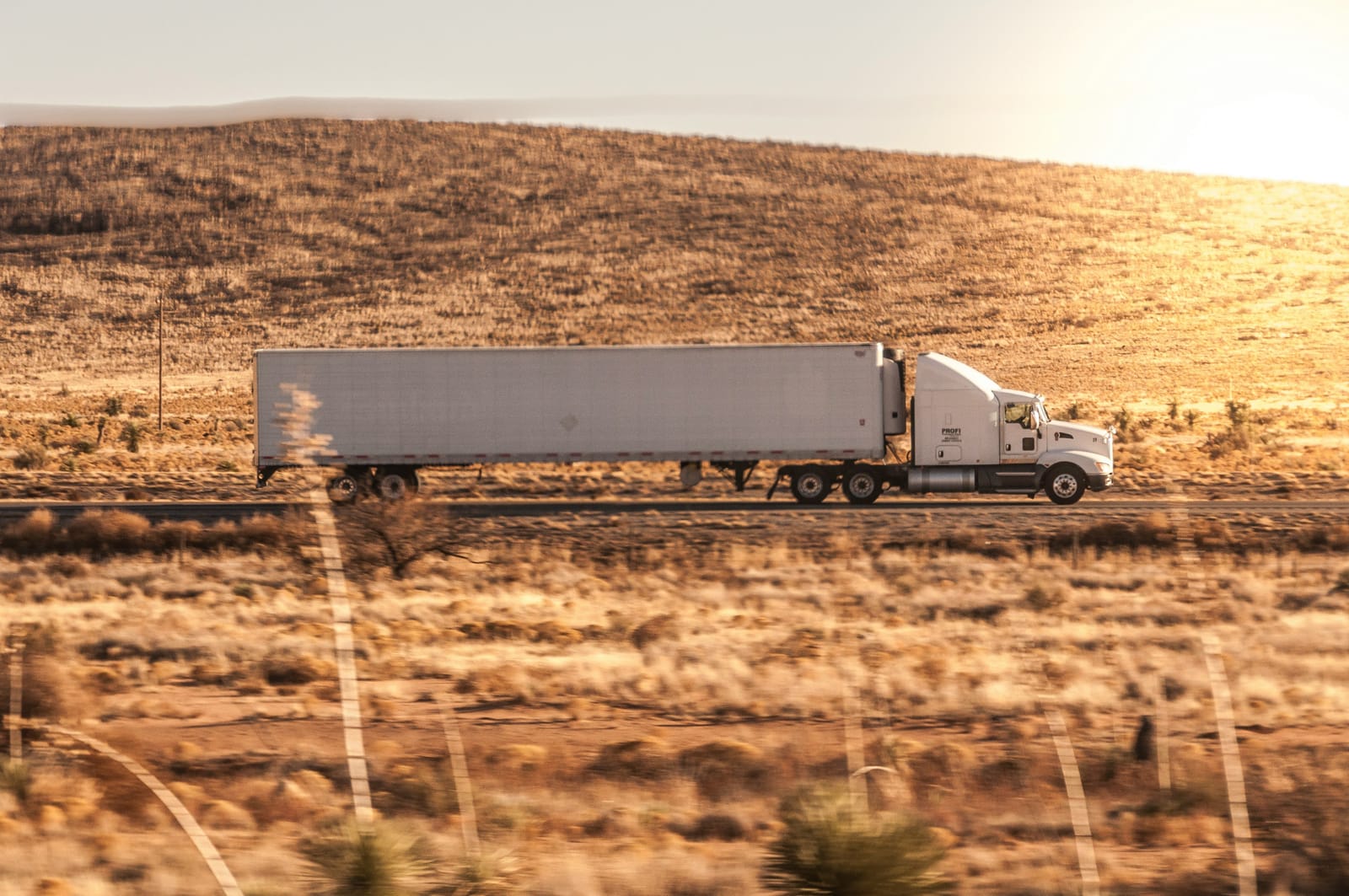
Figure 6.2: Modern refrigerated trailers maintain precise cargo setpoint temperatures across severe ambient heat waves through automated refrigeration unit telematics.
Ensure Commercial Authority Compliance with Form HVUT 2290
Protect your operating status with seamless tax compliance. E-file Form HVUT 2290 with Consulics and secure your stamped Schedule 1 proof in minutes.
e-File Form HVUT 2290 Now →Pulping Temperature Protocols and Bulletproof Cargo Claim Defense
The most critical physical procedure performed by a reefer operator at the shipper is "pulping the product." Using a certified, calibrated digital probe thermometer, the driver must physically measure the core internal temperature of multiple cartons across the front, center, and tail of the load before signing the bill of lading.
Refrigeration units are engineered to maintain existing product temperatures during transit; they are not blast chillers designed to cool warm cargo down to setpoint. If a shipper loads palletized produce that was sitting on a warm dock at 52°F onto a trailer set for 34°F, the refrigeration unit will struggle, condensation will form, and the receiver will reject the shipment for warm pulp temperatures at delivery.
- Document Pulp Temperatures on the BOL: Always write the exact probed temperatures on the physical Bill of Lading (e.g., "Pulp temps taken: front 34°F, middle 34°F, rear 35°F. Driver pulp witness [Shipper Signature]").
- Shipper Refusal of Dock Access: If a shipper refuses to allow the driver onto the dock to pulp the product, write: *"Shipper Load and Count (SLC). Driver denied access to dock to pulp product and verify pulp temperatures."*
- Microprocessor Data Datalogger Downloads: Modern refrigeration units record return air, supply air, setpoint, and ambient temperature every 5 to 15 minutes. In the event of a cargo claim, drivers can download this electronic data record directly to prove constant refrigeration operation.
- Clean Trailer Sanitation (FSMA): Ensure the trailer interior is thoroughly swept, washed out with disinfectant, deodorized, and dry before arrival at the food processing facility.
| Commodity Group | Standard BOL Setpoint | Required Operating Mode | Critical Temperature Spoilage Risk |
|---|---|---|---|
| Ice Cream / Deep Frozen | -20°F to -10°F | Continuous Run | Melting, crystallization breakdown above -5°F. |
| Frozen Meats & Poultry | 0°F to 10°F | Start-Stop (Cycle) or Continuous | Surface thaw, microbiological growth above 20°F. |
| Fresh Beef & Pork | 32°F to 36°F | Continuous Run | Freezing burns if below 28°F; bacterial growth above 40°F. |
| Fresh Berries & Leafy Greens | 34°F to 36°F | Continuous Run (Strict) | Chill damage/freezing below 32°F; rapid decay above 42°F. |
| Fresh Bananas & Tropicals | 56°F to 58°F | Continuous Run | Permanent skin blackening/chilling below 54°F. |
Filing HVUT 2290 for Your CDL Commercial Vehicle?
Consulics provides the fastest, most reliable IRS-authorized Form 2290 e-filing for motor carriers. Receive your official stamped Schedule 1 in minutes.
e-File Form HVUT 2290 Online →Related resources
- File Form 2290 online
- How to file Form 2290, step by step
- HVUT and the stamped Schedule 1, explained
- Estimate your tax with the HVUT 2290 calculator
- Check your Form 2290 due date
- Hotshot Trucking Complete Startup Guide
- Commercial Truck Fuel Cards & Discount Programs Guide
- Detention Pay, Layover & TONU Trucking Guide
- Commercial Truck Winter Driving & Tire Chain Laws Guide
- E-File IRS Form 2290 Online
- IRS Stamped Schedule 1 Proof of Payment
- Form 2290 Due Date & Penalty Calculator
- DOT New Entrant Safety Audit Preparation Guide
More Form 2290 and HVUT guides
- Freight Broker Credit Checks & BMC-84 Bond Claims Guide: Due Diligence, Payment Protection, and Fraud Prevention
- Detention Pay, Layover & TONU Guide for Truckers: Industry Rates, Billing Rules, and Broker Negotiations
- Freight Factoring Guide for Truckers: Recourse vs. Non-Recourse, Hidden Fees, and Cash Flow Optimization
- Semi-Truck Parking Shortage & Reservation Guide: Jason's Law, Travel Plazas, Rest Areas, and Safe Haven Rules
- Deadhead Miles Minimization Guide: Triangular Routing, Backhaul Economics, and Yield Optimization
- Spot Market vs Contract Freight Guide: Rate Calculations, Load Board Bidding, and Lane Density
Ready to file your Form 2290?
IRS-authorized e-filing — get your stamped Schedule 1 in minutes.
e-File Form 2290 Now →This post is general information for motor carriers, not tax or legal advice, and government rules, systems, and fees can change at any time. Confirm anything before you rely on it with the IRS, the FMCSA, or a qualified professional. Consulics does not guarantee its accuracy or currency and accepts no liability for information an agency later changes.